
Smart Aircon Maintenance Singapore: IoT Monitoring and Alerts

The integration of Internet of Things (IoT) technology into air conditioning systems represents a revolutionary advancement in maintenance management that transforms reactive service approaches into predictive, data-driven strategies that optimize performance while preventing costly breakdowns. Singapore aircon servicing enhanced with smart monitoring capabilities provides unprecedented insights into system operation, enabling precise intervention timing that maximizes efficiency while minimizing maintenance costs and system downtime.
Understanding how smart monitoring technologies function and their practical benefits helps property owners appreciate the significant advantages these innovations provide over traditional maintenance approaches. Singapore aircon servicing specialists who embrace IoT technologies can deliver superior maintenance outcomes through continuous system oversight, automated alerts, and data-driven decision making that optimizes both performance and cost-effectiveness.
Understanding IoT Technology in Aircon Systems
Smart sensors continuously monitor critical system parameters including temperature, humidity, pressure, vibration, electrical consumption, and airflow characteristics that indicate performance trends and developing problems. These sensors generate real-time data streams that provide comprehensive insights into system operation far beyond what periodic manual inspection can achieve.
Wireless communication networks enable sensor data transmission to centralized monitoring platforms where advanced analytics process information to identify patterns, trends, and anomalies that indicate maintenance needs or potential failures. This connectivity allows remote system oversight without requiring physical presence at equipment locations.
Data analytics platforms apply machine learning algorithms and predictive models to sensor information, identifying subtle changes in system behavior that human observation might miss while predicting optimal maintenance timing based on actual operating conditions rather than arbitrary calendar schedules. These intelligent systems continuously improve their accuracy through accumulated operational data.
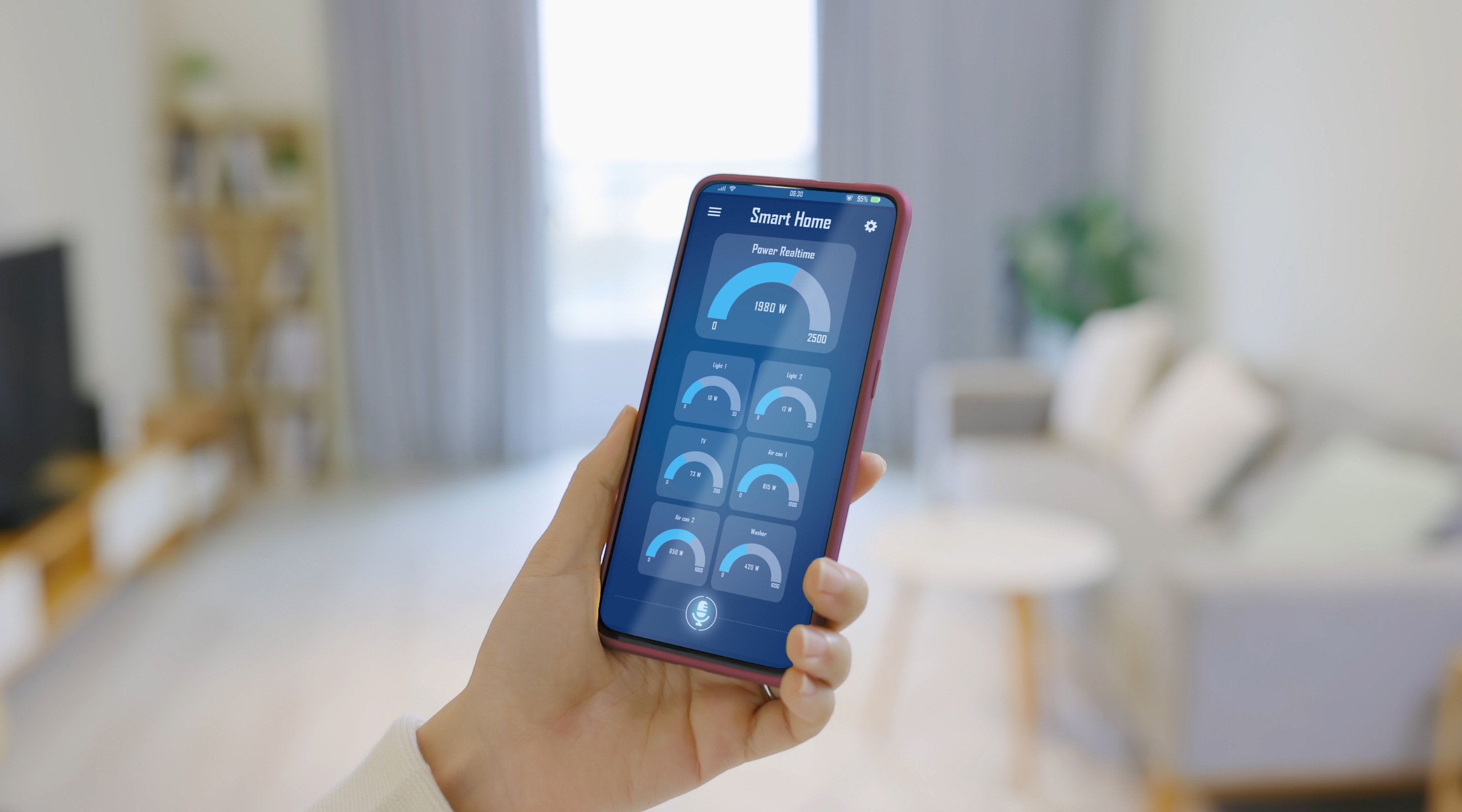
Cloud-based management systems provide accessible dashboards, automated alerts, and comprehensive reporting that enable property owners and service providers to monitor multiple systems simultaneously while tracking performance trends over time. This centralized oversight supports informed decision-making for maintenance planning and system optimization.
Smart Monitoring Capabilities and Features
Real-time performance tracking provides continuous assessment of system efficiency, energy consumption, and operational parameters that enable immediate detection of developing problems before they affect comfort or cause component damage. This constant monitoring reveals performance changes that might take weeks or months to become apparent through conventional inspection methods.
Predictive failure detection analyzes operating patterns and parameter trends to identify components approaching failure conditions, enabling proactive replacement or repair before breakdowns occur. This predictive capability prevents emergency failures that create discomfort, inconvenience, and expensive after-hours repair costs.
Energy consumption optimization through continuous monitoring identifies inefficient operation periods and provides actionable insights for reducing electricity costs while maintaining comfort levels. Smart systems can detect efficiency degradation immediately and alert property owners to maintenance needs that restore optimal performance.
Automated maintenance scheduling based on actual system condition rather than fixed intervals ensures that maintenance occurs when needed while avoiding unnecessary service during periods of optimal operation. This condition-based approach optimizes maintenance investments while maintaining system reliability.
Environmental Monitoring and Adaptation
Indoor air quality assessment through integrated sensors monitors particulate levels, humidity conditions, and chemical contaminants that affect occupant health and comfort. This monitoring enables automatic system adjustments that maintain optimal air quality while alerting property owners to potential problems requiring attention.
Outdoor environmental monitoring considers weather conditions, air quality, and seasonal factors that affect system performance and maintenance requirements. Smart systems adapt operation parameters and maintenance scheduling based on these environmental factors while providing insights into optimal system configuration for changing conditions.
Humidity control optimization addresses Singapore’s challenging climate conditions through continuous monitoring and adjustment of dehumidification processes that maintain comfort while preventing moisture-related problems including mold growth and indoor air quality issues. Smart systems provide precise humidity management that manual controls cannot achieve.
Temperature regulation enhancement through advanced sensing and control maintains more consistent comfort levels while reducing energy consumption through optimized system operation. Smart controls respond immediately to changing conditions while learning occupancy patterns that optimize performance and efficiency.
Predictive Maintenance Through Data Analytics
Component wear monitoring tracks vibration patterns, electrical characteristics, and performance indicators that reveal developing mechanical problems before they cause component failure. This early detection enables scheduled replacement during convenient maintenance windows rather than emergency repairs during critical periods.
Filter condition assessment through pressure differential monitoring and airflow measurement provides precise filter replacement timing based on actual contamination levels rather than arbitrary schedules. This optimization ensures adequate filtration while avoiding unnecessary filter changes that waste resources.
Refrigerant system monitoring detects developing leaks, pressure abnormalities, and efficiency degradation that indicate required maintenance or component attention. Early detection of refrigerant issues prevents costly system damage while ensuring environmental compliance through prompt leak repair.
Electrical system oversight monitors power consumption patterns, voltage fluctuations, and component electrical characteristics that reveal developing problems with motors, controls, and connections. This monitoring prevents electrical failures that could cause expensive damage or safety hazards.
Alert Systems and Notification Protocols
Priority-based alert hierarchies ensure that critical system issues receive immediate attention while routine maintenance reminders follow appropriate scheduling protocols. This intelligent prioritization prevents alarm fatigue while ensuring that urgent issues receive prompt response.
Multi-channel notification systems deliver alerts through email, SMS, mobile applications, and dashboard displays to ensure that property owners and service providers receive timely notification regardless of their location or communication preferences. This redundant communication prevents missed alerts that could result in system damage.
Customizable alert parameters enable property owners to adjust sensitivity levels and notification criteria based on their specific requirements, risk tolerance, and operational preferences. This customization ensures that alert systems provide valuable information without overwhelming users with unnecessary notifications.
Escalation procedures automatically involve additional personnel or service providers when initial alerts do not receive timely response, ensuring that critical issues receive attention even if primary contacts are unavailable. This failsafe approach prevents system damage from delayed response to urgent conditions.
Integration with Building Management Systems
Centralized control integration enables smart aircon monitoring to coordinate with other building systems including lighting, security, fire safety, and energy management for comprehensive facility oversight. This integration optimizes overall building performance while reducing operational complexity.
Energy management coordination allows smart aircon systems to participate in demand response programs, load balancing initiatives, and energy optimization strategies that reduce operational costs while supporting grid stability. This coordination provides financial benefits beyond individual system efficiency improvements.
Automated reporting generation provides comprehensive performance summaries, maintenance records, and energy consumption analysis that support facilities management, budgeting, and compliance requirements. These automated reports reduce administrative burden while providing valuable operational insights.
Remote access capabilities enable building managers and service providers to monitor and adjust system operation from any location, supporting efficient response to alerts while optimizing system performance without requiring physical presence at equipment locations.
Cost-Benefit Analysis of Smart Monitoring
Initial investment considerations include sensor hardware, communication infrastructure, software platforms, and installation costs that typically represent 5-15% of system replacement cost. This investment provides foundation for substantial operational benefits and system protection throughout the equipment lifecycle.
Operational savings through optimized maintenance timing, energy efficiency improvements, and avoided emergency repairs typically recover smart monitoring investment within 12-24 months while providing ongoing benefits throughout system operation. These savings often exceed traditional maintenance cost reduction through more efficient system operation.
Productivity benefits from reduced system downtime, improved indoor air quality, and enhanced comfort create additional value that traditional cost-benefit analysis often overlooks. These benefits particularly benefit commercial applications where system reliability directly affects business operations.
Risk mitigation value through prevention of major system failures, equipment damage, and business disruption provides insurance-like protection that justifies smart monitoring investment through avoided catastrophic costs. This protection becomes more valuable as systems age and failure risks increase.
Implementation Strategies and Best Practices
Phased deployment approaches enable gradual implementation of smart monitoring systems while demonstrating value and building organizational confidence before full-scale installation. These incremental approaches reduce initial investment while providing immediate benefits that justify continued expansion.
Staff training requirements ensure that facility personnel understand smart monitoring capabilities and can respond appropriately to alerts while maximizing system benefits through informed decision-making. This training investment enhances monitoring value while preventing misuse or misinterpretation of system information.
Data security protocols protect sensitive operational information and prevent unauthorized system access while ensuring that monitoring capabilities remain available to authorized personnel. These security measures become particularly important for commercial and industrial applications with sensitive operational data.
Performance benchmarking establishes baseline measurements that enable objective assessment of smart monitoring benefits while supporting continuous improvement initiatives that maximize system value over time. This measurement approach validates investment returns while identifying optimization opportunities.
Advanced Analytics and Machine Learning Applications
Pattern recognition algorithms identify subtle operational patterns that indicate developing problems or optimization opportunities that human analysis might miss entirely. These advanced capabilities continuously improve through accumulated data while providing increasingly sophisticated insights into system behavior.
Comparative analysis across multiple systems enables identification of best practices, common problems, and optimization strategies that benefit entire facility portfolios. This comparative capability provides valuable insights that support strategic maintenance and operation decisions.
Seasonal adjustment modeling adapts system operation and maintenance schedules based on historical data and seasonal patterns specific to Singapore’s climate conditions. This modeling optimizes performance throughout annual cycles while accounting for environmental factors that affect system requirements.
Failure prediction models utilize historical data and current operating conditions to estimate component failure probability and optimal replacement timing. These models enable proactive maintenance that prevents failures while optimizing component utilization and replacement costs.
Integration Challenges and Solutions
Legacy system compatibility issues require creative solutions that enable smart monitoring integration with older equipment that lacks built-in IoT capabilities. Retrofit sensors and communication adapters provide monitoring capabilities for existing systems while preserving equipment investments.
Communication reliability concerns regarding wireless networks and internet connectivity can be addressed through redundant communication paths, local data storage, and offline operation capabilities that maintain monitoring functionality during connectivity disruptions.
Data management challenges including storage, processing, and analysis requirements increase with system scale and complexity. Cloud-based platforms and managed services provide scalable solutions that handle data management while maintaining performance and accessibility.
Interoperability considerations ensure that smart monitoring systems can integrate with various equipment brands, building management systems, and third-party software platforms. Open communication protocols and standardized interfaces support flexible integration while preventing vendor lock-in situations.
365 Aircon’s Smart Monitoring Solutions
365 Aircon provides comprehensive IoT monitoring solutions specifically designed for Singapore’s climate and operating conditions, with proven technologies that integrate seamlessly with existing systems while providing valuable insights into performance and maintenance requirements. Their smart monitoring platforms combine advanced analytics with practical implementation expertise.
The company’s predictive maintenance capabilities utilize machine learning algorithms trained on extensive operational data from Singapore installations, providing accurate failure prediction and optimal maintenance timing recommendations that maximize system reliability while minimizing service costs.
Customizable monitoring dashboards provide property owners with appropriate information presentation that matches their technical expertise and operational requirements, ensuring that smart monitoring data supports informed decision-making without overwhelming users with unnecessary complexity.
Professional installation and training services ensure that smart monitoring systems operate optimally while facility personnel understand how to maximize system benefits through appropriate response to alerts and monitoring information.
Future Developments in Smart Aircon Technology
Artificial intelligence integration will provide increasingly sophisticated system optimization that adapts automatically to changing conditions while learning from operational patterns to improve performance continuously. These AI capabilities will reduce human intervention requirements while maximizing system efficiency and reliability.
Edge computing technologies will enable more sophisticated local data processing that reduces communication requirements while providing faster response to critical conditions. This distributed intelligence approach will enhance system reliability while reducing dependency on centralized processing resources.
Digital twin technology will create virtual system models that enable comprehensive performance simulation, optimization testing, and failure scenario analysis without affecting actual system operation. These digital models will support advanced planning and optimization strategies while reducing real-world testing requirements.
Blockchain integration may provide secure, tamper-proof maintenance records and performance documentation that supports warranty compliance, insurance claims, and system valuation while ensuring data integrity throughout equipment lifecycles.
Regulatory Compliance and Standards
Singapore building standards increasingly incorporate smart building technologies and energy efficiency requirements that smart monitoring systems help satisfy through comprehensive performance documentation and optimization capabilities. These regulatory trends favor early adoption of monitoring technologies.
Energy efficiency mandates benefit from smart monitoring data that demonstrates compliance while identifying optimization opportunities that exceed minimum requirements. This documentation supports green building certifications and regulatory reporting while optimizing operational performance.
Maintenance documentation standards for warranty compliance and insurance requirements become more manageable with automated record-keeping capabilities that smart monitoring systems provide. These automated records ensure comprehensive documentation while reducing administrative burden.
Data privacy regulations require appropriate handling of operational information collected through smart monitoring systems, with service providers implementing appropriate security measures and access controls that protect sensitive facility data while maintaining monitoring capabilities.
Conclusion
Smart aircon maintenance through IoT monitoring and alerts represents a fundamental advancement in system management that provides unprecedented insights into performance while enabling predictive maintenance approaches that optimize reliability, efficiency, and cost-effectiveness. The integration of intelligent monitoring technologies transforms maintenance from reactive responses to proactive management that prevents problems while maximizing system value.
Understanding the capabilities and benefits of smart monitoring helps property owners make informed decisions about technology investments that provide substantial returns through improved performance, reduced operating costs, and enhanced system reliability. The comprehensive oversight that IoT technologies provide becomes increasingly valuable as systems become more complex and operational demands increase.
Professional implementation of smart monitoring systems ensures optimal technology utilization while providing the expertise necessary to maximize benefits through appropriate system configuration, staff training, and ongoing optimization. The investment in intelligent monitoring technologies delivers superior value through enhanced system management capabilities that support both immediate and long-term operational objectives.
Frequently Asked Questions
Q: How much does IoT monitoring cost compared to traditional maintenance approaches?
A: Initial investment typically represents 5-15% of system replacement cost, but operational savings through optimized maintenance, energy efficiency, and avoided failures usually recover costs within 12-24 months while providing ongoing benefits throughout system operation.
Q: Can smart monitoring be added to existing older aircon systems?
A: Yes, retrofit sensors and communication adapters enable smart monitoring integration with most existing systems regardless of age or brand. These retrofit solutions provide monitoring capabilities while preserving equipment investments and extending system value.
Q: What happens if internet connectivity fails – does the monitoring system stop working?
A: Advanced monitoring systems include local data storage and offline operation capabilities that maintain essential functions during connectivity disruptions. Critical alerts can be delivered through multiple communication channels including cellular networks that provide backup connectivity.
Q: How accurate are predictive failure alerts from IoT monitoring systems?
A: Modern systems achieve 80-95% accuracy in failure prediction when properly configured with adequate historical data. Accuracy improves over time as machine learning algorithms process more operational information and refine their predictive models.
Ready to revolutionize your aircon maintenance with smart monitoring technology? Contact 365 Aircon for professional IoT solutions that provide predictive insights, automated alerts, and optimized performance through intelligent system oversight.