
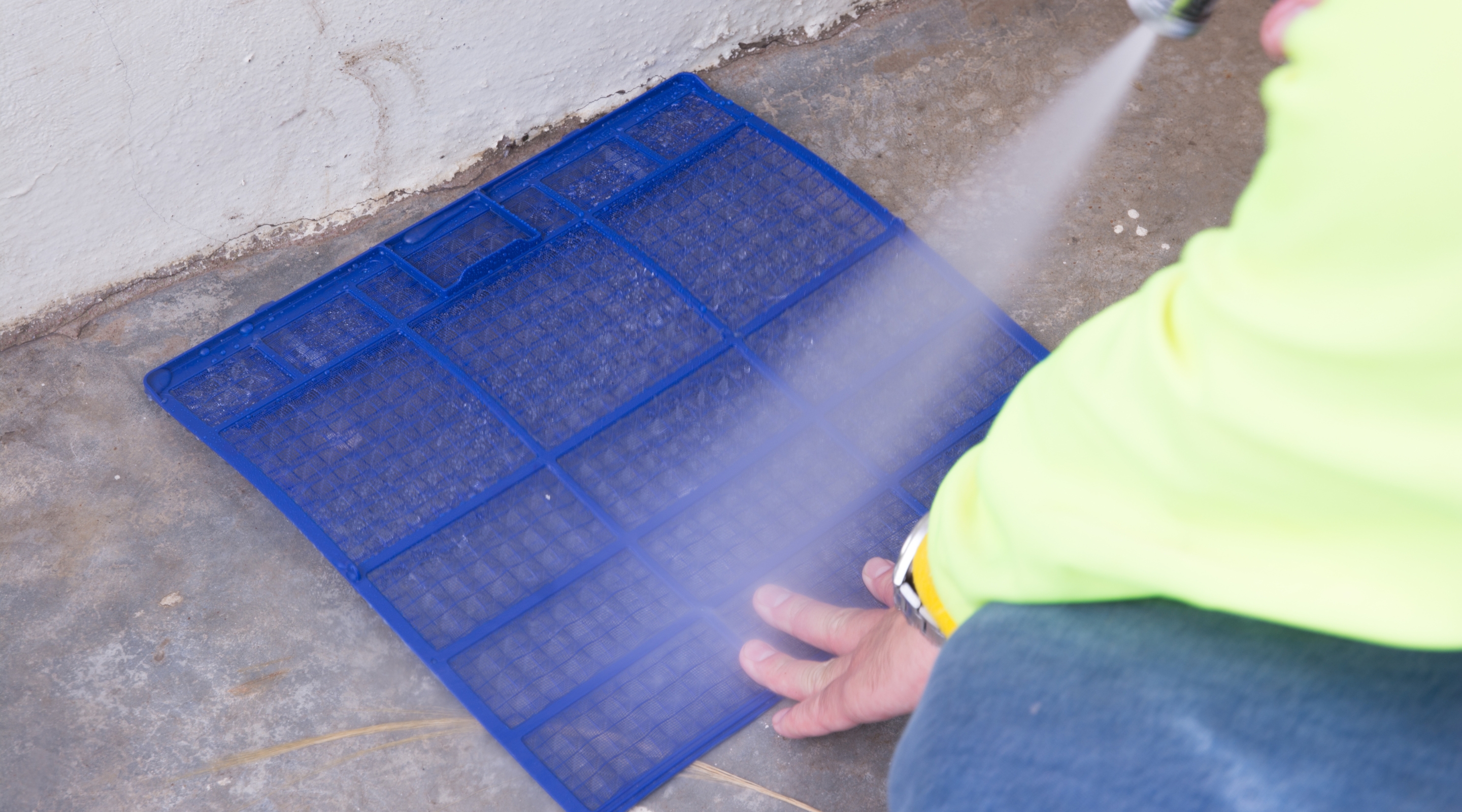
Professional Aircon Filter Washing Singapore: Reusable vs Disposable

The choice between reusable and disposable air conditioning filters significantly impacts maintenance costs, environmental sustainability, and air quality outcomes for Singapore properties. Understanding the advantages and limitations of each filter type, combined with proper singapore aircon cleaning and maintenance practices, enables property owners to make informed decisions that optimize both performance and value while meeting their specific air quality requirements.
Professional filter maintenance represents a critical component of comprehensive aircon care that extends beyond simple replacement schedules. Singapore aircon cleaning specialists recognize that proper filter selection and maintenance directly influence system efficiency, indoor air quality, and long-term operating costs, making expert guidance essential for achieving optimal results.
Understanding Filter Types and Their Characteristics
Reusable aircon filters typically feature washable media constructed from materials like aluminum mesh, synthetic foam, or pleated synthetic fibers that can withstand repeated cleaning cycles without degrading. These filters are designed for extended service life, often lasting several years with proper maintenance, making them attractive options for property owners seeking to reduce ongoing maintenance costs.
Disposable filters utilize various media types including fiberglass, pleated paper, synthetic nonwoven materials, or high-efficiency particulate air filtration media that capture contaminants effectively but require complete replacement when saturated. These filters offer convenience and consistent performance but generate ongoing costs and environmental waste through regular replacement requirements.
The filtration efficiency ratings for both filter types vary significantly based on construction methods, media density, and testing standards, with options ranging from basic dust filtration to high-efficiency removal of microscopic particles and allergens. Understanding these efficiency ratings helps property owners select appropriate filters for their specific air quality requirements and system capabilities.
Filter frame construction affects durability, sealing characteristics, and compatibility with different aircon systems, with options including cardboard frames for disposable filters and rigid plastic or metal frames for reusable types. The frame design influences installation ease, air leakage prevention, and long-term performance consistency.
Reusable Filter Advantages and Considerations
The primary advantage of reusable filters lies in their long-term cost effectiveness, with initial higher investment offset by elimination of ongoing replacement costs over multiple years of service life. Property owners can achieve significant savings through reduced filter purchasing while maintaining effective air filtration performance.
Environmental sustainability represents another major benefit of reusable filters, eliminating the waste stream associated with regular filter replacement while reducing packaging and transportation impacts. This environmental advantage appeals to environmentally conscious property owners seeking to minimize their ecological footprint.
Convenience factors favor reusable filters for properties with multiple units or high filter change frequencies, as washing and reinstallation eliminate the need for inventory management and regular purchasing schedules. Property managers particularly appreciate the simplified maintenance logistics that reusable filters provide.
Performance consistency from reusable filters can be maintained through proper cleaning procedures, with well-maintained washable filters providing stable filtration efficiency throughout their service life. However, this consistency depends entirely on adherence to proper cleaning schedules and techniques.
Disposable Filter Benefits and Applications
Disposable filters offer superior convenience for property owners who prefer minimal maintenance involvement, requiring only periodic replacement without cleaning procedures or drying time considerations. This convenience factor makes disposable filters attractive for busy property owners or rental applications where maintenance simplicity is prioritized.
Filtration performance from disposable filters often exceeds that of comparable reusable types, particularly for high-efficiency applications requiring removal of microscopic particles, allergens, or specific contaminants. Disposable filters can incorporate specialized media and treatments that are not practical for washable applications.
Hygiene advantages of disposable filters include elimination of cleaning procedures that can expose property owners to captured contaminants while ensuring that each replacement cycle begins with completely clean media. This hygiene benefit is particularly important for properties with health-sensitive occupants.
Quality consistency from disposable filters provides predictable performance throughout each service interval, with fresh media ensuring optimal filtration efficiency from installation through replacement. This consistency eliminates the performance variability that can occur with inadequately cleaned reusable filters.
Professional Filter Washing Techniques and Equipment
Professional aircon filter washing requires specialized equipment and techniques that achieve thorough contamination removal while preserving filter media integrity and performance characteristics. Commercial washing equipment uses controlled water pressure, temperature, and chemical treatments that optimize cleaning effectiveness without damaging delicate filter materials.
Pre-washing assessment enables professional technicians to evaluate filter condition and select appropriate cleaning procedures based on contamination type and severity. This assessment ensures that washing procedures are tailored to specific filter requirements while identifying filters that may require replacement due to damage or excessive wear.
The washing process involves multiple stages including pre-rinse contamination removal, detergent treatment for stubborn deposits, thorough rinsing to eliminate cleaning residues, and controlled drying that prevents mold growth or media damage. Professional services use appropriate water quality and treatment chemicals that optimize cleaning results.
Quality control procedures verify cleaning effectiveness and filter condition after washing completion, ensuring that restored filters meet performance standards before reinstallation. Professional services use standardized testing methods that confirm filtration efficiency and identify any filters requiring replacement or additional treatment.
Contamination Types and Cleaning Challenges
Dust and particulate contamination represents the most common cleaning challenge for reusable filters, requiring thorough removal of accumulated particles without damaging filter media or reducing filtration efficiency. Professional washing techniques use appropriate agitation and rinsing procedures that effectively remove particles while preserving media structure.
Biological contamination including mold, bacteria, and organic matter requires specialized treatment beyond basic washing to ensure complete elimination and prevent regrowth after reinstallation. Professional services use antimicrobial treatments and proper drying techniques that address biological contamination safely and effectively.
Chemical contamination from cooking odors, cleaning products, or industrial emissions may require specialized treatment procedures that neutralize or remove chemical residues without affecting filter performance. Professional assessment determines appropriate treatment methods based on contamination type and severity.
Grease and oil contamination creates particularly challenging cleaning requirements, often requiring specialized degreasing agents and extended treatment procedures to restore filter performance. Professional services have the equipment and expertise necessary to address these difficult contamination types effectively.
Cost Analysis and Value Comparison
Initial investment costs favor disposable filters for properties with limited budgets or infrequent use patterns, while reusable filters require higher upfront investment that pays back through eliminated replacement costs over time. The break-even point typically occurs within one to three years depending on filter type and replacement frequency.
Long-term operating costs strongly favor reusable filters for most applications, with washing costs significantly lower than replacement costs for comparable disposable filters. Properties with multiple units or high filter change frequencies achieve particularly attractive savings through reusable filter adoption.
Hidden costs associated with each filter type include disposal fees for used disposable filters, water and energy costs for washing reusable filters, and potential productivity losses from cleaning time requirements. Comprehensive cost analysis should include these factors for accurate comparison.
Value considerations extend beyond direct costs to include environmental benefits, convenience factors, and performance characteristics that may justify premium pricing for either filter type. Professional guidance helps property owners evaluate these factors based on their specific priorities and requirements.
Performance Optimization and Maintenance Scheduling
Optimal washing intervals for reusable filters depend on contamination levels, environmental conditions, and air quality requirements that vary significantly between different applications. Professional services can recommend customized maintenance schedules that balance cleaning effectiveness with cost considerations and convenience factors.
Performance monitoring between cleanings enables early detection of filter saturation and optimal timing for washing procedures. Professional services can provide monitoring guidance and assessment tools that help property owners optimize maintenance timing while maintaining consistent air quality.
System integration considerations ensure that filter maintenance schedules coordinate with other aircon maintenance activities to maximize efficiency and minimize service disruptions. Professional services can develop integrated maintenance programs that address filter care within comprehensive system maintenance schedules.
Quality assurance procedures verify that cleaned filters meet performance standards and are properly installed for optimal system operation. Professional services provide testing and documentation that ensures filter maintenance contributes to overall system performance and air quality objectives.
Health and Air Quality Considerations
Filtration efficiency directly impacts indoor air quality and occupant health, making proper filter selection and maintenance critical for properties with health-sensitive occupants. Professional assessment helps determine appropriate filter types and maintenance procedures that support optimal air quality outcomes.
Allergen removal capabilities vary significantly between different filter types and maintenance approaches, with some applications requiring high-efficiency disposable filters while others achieve adequate results through properly maintained reusable filters. Professional guidance ensures that filter selection supports specific health requirements.
Biological contamination risks from improperly maintained reusable filters can create health hazards that exceed those associated with saturated disposable filters. Professional washing and maintenance procedures eliminate these risks while ensuring that reusable filters provide healthy air quality benefits.
Chemical sensitivity considerations may favor specific filter types or maintenance approaches that minimize exposure to cleaning chemicals or filter treatments. Professional services can recommend appropriate options for chemically sensitive occupants while maintaining effective air filtration.
Environmental Impact and Sustainability
Waste reduction through reusable filter adoption significantly reduces environmental impact compared to disposable alternatives, eliminating thousands of filters from waste streams over typical building operational periods. This environmental benefit supports sustainability objectives while providing economic advantages.
Resource conservation through extended filter life reduces material consumption, manufacturing energy, and transportation impacts associated with frequent filter replacement. Professional washing services optimize these environmental benefits through efficient cleaning procedures and extended filter service life.
Water usage from filter washing represents an environmental consideration that should be balanced against waste reduction benefits. Professional services use water-efficient cleaning procedures and may incorporate water recycling systems that minimize environmental impact while maintaining cleaning effectiveness.
Chemical usage in professional washing procedures should be evaluated for environmental impact and safety considerations, with preference given to biodegradable cleaning agents and minimal chemical treatments that achieve effective contamination removal while minimizing environmental effects.
Professional Service Selection and Quality Assurance
Service provider qualifications significantly affect filter washing quality and long-term performance outcomes, making careful selection essential for achieving optimal results. Professional services should demonstrate expertise in filter types, contamination challenges, and appropriate cleaning procedures for different applications.
365 Aircon provides comprehensive filter washing services that address the unique challenges of Singapore’s environment while optimizing both reusable and disposable filter performance. Their certified technicians use advanced cleaning equipment and proven techniques that ensure superior results while maintaining filter integrity.
Quality standards for professional filter washing should include contamination removal verification, media integrity testing, and performance validation that ensures restored filters meet or exceed original specifications. Professional services provide documentation and warranties that support confidence in service quality.
Equipment and facility capabilities affect cleaning effectiveness and service reliability, with professional services requiring appropriate washing equipment, controlled drying facilities, and quality control systems that ensure consistent results across all filter types and contamination levels.
Technology Advances and Future Developments
Smart filter technologies incorporate sensors and monitoring capabilities that provide real-time performance data and maintenance alerts for both reusable and disposable applications. These advances support optimized maintenance scheduling while ensuring consistent air quality performance.
Advanced materials development continues to improve both reusable and disposable filter performance while addressing durability, efficiency, and environmental considerations. Professional services stay current with these developments to recommend optimal filter solutions for specific applications.
Automated washing systems may provide improved consistency and efficiency for reusable filter maintenance while reducing labor costs and environmental impact. These technological advances could further improve the value proposition for reusable filter applications.
Integration with building management systems enables coordinated filter maintenance scheduling and performance monitoring that optimizes both individual filter performance and overall air quality management. Professional services can provide guidance on implementing these integrated approaches.
Conclusion
The choice between reusable and disposable aircon filters depends on specific application requirements, cost considerations, environmental priorities, and maintenance capabilities that vary significantly between different properties and occupants. Professional guidance enables informed decisions that optimize both performance and value while meeting specific air quality objectives.
Singapore aircon cleaning specialists provide essential expertise in filter selection, maintenance procedures, and performance optimization that ensures optimal results regardless of filter type selection. Professional services deliver superior value through proper filter care that maximizes efficiency, extends service life, and maintains healthy indoor air quality.
Understanding the advantages and limitations of both reusable and disposable filters, combined with professional maintenance support, enables property owners to achieve optimal air quality outcomes while managing costs effectively and supporting their sustainability objectives through informed filter selection and maintenance practices.
Frequently Asked Questions
Q: How often should reusable aircon filters be washed in Singapore’s climate?
A: Reusable filters typically require washing every 1-3 months in Singapore due to high humidity and dust levels, though frequency depends on usage patterns and environmental conditions. Professional assessment can determine optimal washing intervals for specific applications.
Q: Can reusable filters achieve the same air quality results as high-efficiency disposable filters?
A: While reusable filters can provide effective air cleaning, high-efficiency disposable filters typically offer superior performance for removing microscopic particles and allergens. The choice depends on specific air quality requirements and health considerations.
Q: What are the signs that a reusable filter needs washing or replacement?
A: Indicators include reduced airflow, increased energy consumption, visible contamination buildup, persistent odors, or decreased air quality. Professional inspection can determine whether washing will restore performance or if replacement is necessary.
Q: Is professional filter washing worth the cost compared to DIY cleaning?
A: Professional washing ensures thorough contamination removal, proper disinfection, and media preservation that DIY methods often cannot achieve. The investment typically pays back through extended filter life, better performance, and maintained warranty coverage.
Need expert guidance on aircon filter selection and maintenance? Contact 365 Aircon for professional filter washing services and recommendations tailored to your specific air quality requirements and budget considerations.