
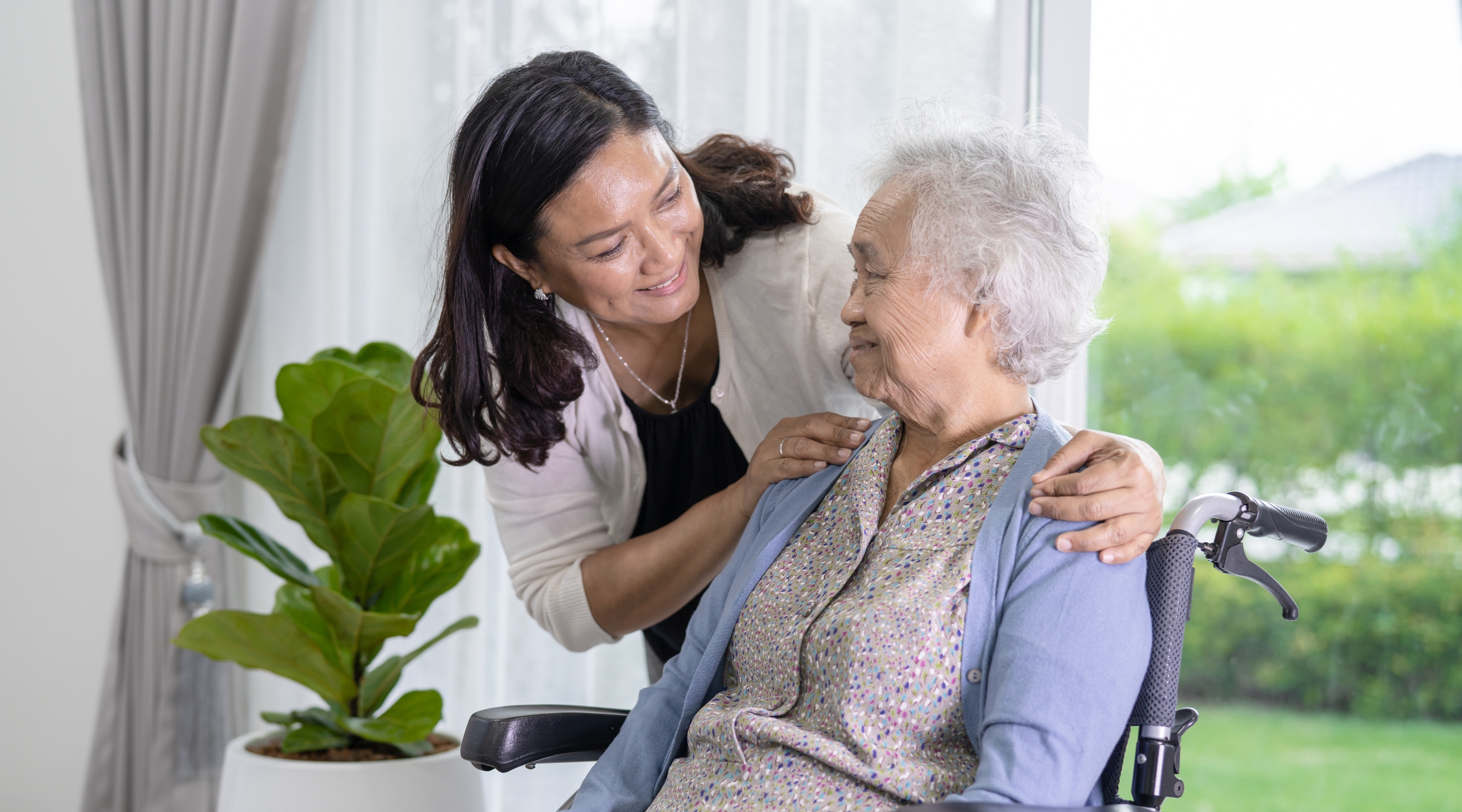
Elderly Care: Gentle Aircon Cleaning Methods in Singapore Homes

Caring for elderly family members in Singapore requires special consideration of their unique health vulnerabilities and environmental sensitivities that make standard aircon cleaning approaches potentially harmful rather than beneficial. Singapore aircon cleaning for households with elderly residents demands gentle, health-conscious methods that prioritize senior safety while maintaining the clean indoor air quality essential for healthy aging and respiratory wellness.
Understanding how aging affects respiratory function, immune system capacity, and chemical sensitivity helps families appreciate why elderly individuals require specialized cleaning approaches that minimize disruption and chemical exposure. Singapore aircon cleaning specialists experienced in elderly care can provide essential services that support aging in place by creating healthier indoor environments without compromising senior safety or comfort.
Understanding Age-Related Health Vulnerabilities
The aging process naturally reduces respiratory system efficiency through decreased lung capacity, weakened respiratory muscles, and reduced ability to clear contaminants from airways. These changes make elderly individuals more susceptible to airborne pollutants, allergens, and chemical irritants that might not affect younger family members significantly.
Immune system decline with advancing age, known as immunosenescence, reduces the body’s ability to fight off infections and process environmental toxins effectively. This weakened immune response makes elderly individuals more vulnerable to bacterial and mold contamination within aircon systems while also increasing sensitivity to cleaning chemicals and their byproducts.
Medication interactions become a critical consideration for elderly individuals who may be taking multiple prescription drugs that could interact with cleaning chemicals or be affected by changes in air quality. Certain medications can increase sensitivity to chemical exposure while others may reduce the body’s ability to process environmental toxins.
Chronic health conditions common in elderly populations, including heart disease, diabetes, chronic obstructive pulmonary disease, and arthritis, can be exacerbated by poor air quality or exposure to cleaning chemicals. These underlying conditions require careful consideration when planning aircon cleaning approaches that support rather than compromise existing health management strategies.
Age-Appropriate Cleaning Method Selection
Gentle steam cleaning represents an ideal approach for elderly-occupied homes, using only heated water vapor to eliminate bacteria, mold, and allergens without introducing potentially harmful chemicals. Professional steam cleaning equipment can achieve effective sanitization while providing the chemical-free environment that elderly individuals often require for optimal health.
Low-impact mechanical cleaning methods focus on physical removal of contaminants using specialized brushes, vacuum systems, and extraction equipment that eliminate contamination without chemical exposure or aggressive procedures that could generate excessive airborne particles during cleaning activities.
Natural cleaning agents including vinegar solutions, baking soda treatments, and plant-based surfactants can provide effective cleaning action for certain applications while minimizing chemical exposure risks that could affect elderly individuals with heightened sensitivities or compromised detoxification capacity.
Gradual cleaning approaches spread intensive cleaning activities over multiple sessions to minimize disruption and allow elderly residents to remain comfortable in their homes while ensuring thorough contamination removal. This approach prevents the overwhelming exposure that could occur with concentrated cleaning activities.
Minimizing Disruption During Cleaning Activities
Noise level management becomes crucial for elderly residents who may have hearing sensitivities, use hearing aids that amplify background noise, or require quiet environments for rest and medication routines. Professional services use quieter equipment and techniques that enable effective cleaning while maintaining the peaceful environment elderly individuals need.
Schedule coordination with daily routines helps minimize disruption to medication schedules, meal times, therapy sessions, and rest periods that are often more rigid and important for elderly individuals than younger family members. Professional services work around established routines to provide cleaning without compromising care schedules.
Temperature and comfort maintenance during cleaning ensures that elderly residents remain comfortable throughout the process, with attention to draft prevention, temperature stability, and humidity control that supports their physiological needs. Professional services monitor and maintain optimal environmental conditions during cleaning activities.
Communication and reassurance help reduce anxiety that elderly individuals may experience during cleaning activities, with clear explanations of procedures, realistic timelines, and regular updates that provide comfort and confidence throughout the process. Professional technicians trained in elderly care understand the importance of clear, patient communication.
Chemical Sensitivity Considerations for Seniors
Enhanced chemical sensitivity often develops with aging as the liver’s detoxification capacity decreases and the respiratory system becomes less able to process airborne chemicals effectively. This increased sensitivity requires careful selection of cleaning methods that minimize or eliminate chemical exposure while maintaining effective contamination removal.
Medication-chemical interactions can occur when cleaning chemicals interact with prescription medications commonly used by elderly individuals, potentially altering medication effectiveness or creating dangerous side effects. Professional services understand these interaction risks and select cleaning methods that avoid problematic chemical exposures.
Respiratory irritation from cleaning chemicals can be particularly severe in elderly individuals with compromised lung function, potentially triggering asthma attacks, chronic cough, or respiratory distress that could require emergency medical intervention. Chemical-free cleaning methods eliminate these risks while providing effective contamination control.
Skin sensitivity increases with aging as skin becomes thinner and more permeable, allowing greater absorption of chemical residues that could cause irritation or systemic effects. Professional cleaning methods that eliminate chemical residues protect elderly individuals from both direct contact and airborne chemical exposure.
Health Monitoring and Safety Verification
Pre-cleaning health assessment considers existing medical conditions, medications, and sensitivities that could affect how elderly individuals respond to cleaning activities. Professional services coordinate with healthcare providers when necessary to ensure cleaning approaches support rather than compromise existing health management plans.
Real-time monitoring during cleaning activities includes observation of elderly residents for signs of distress, respiratory difficulty, or adverse reactions that might indicate the need for procedure modification or medical attention. Professional technicians trained in elderly care recognize warning signs and respond appropriately.
Post-cleaning health verification ensures that elderly residents have not experienced adverse effects from cleaning activities while confirming that air quality improvements support their ongoing health needs. Professional follow-up provides peace of mind for families while ensuring optimal outcomes.
Medical coordination with geriatricians, pulmonologists, and other healthcare providers involved in elderly care ensures that aircon cleaning activities complement rather than interfere with medical treatment plans. Professional services can provide documentation and air quality data that supports comprehensive healthcare management.
Specialized Equipment for Gentle Cleaning
Low-power vacuum systems with enhanced filtration provide effective contaminant removal while generating minimal noise and airborne particles that could disturb elderly residents. Professional equipment selection prioritizes gentle operation while maintaining cleaning effectiveness for senior-occupied environments.
Variable-speed cleaning equipment allows technicians to adjust operating parameters based on resident tolerance and environmental conditions, providing customized cleaning approaches that optimize effectiveness while minimizing disturbance. Professional flexibility ensures appropriate cleaning intensity for each situation.
Enhanced air filtration during cleaning captures any disturbed particles and prevents their redistribution throughout the home, protecting elderly residents from temporary air quality degradation that could occur during cleaning activities. Professional filtration systems provide continuous air quality protection.
Quiet operation equipment specifically selected for noise-sensitive environments enables effective cleaning while maintaining the peaceful atmosphere that elderly residents require for comfort and health. Professional equipment choices prioritize resident comfort while achieving cleaning objectives.
Creating Age-Friendly Maintenance Schedules
Gentle frequency adjustments may involve more frequent but less intensive cleaning sessions that prevent contamination buildup while avoiding the overwhelming exposure that could result from infrequent major cleaning events. Professional scheduling optimizes cleaning effectiveness while maintaining senior comfort and safety.
Health-coordinated timing ensures that cleaning activities do not interfere with medical appointments, therapy sessions, or periods when elderly residents may be more vulnerable due to health fluctuations. Professional coordination supports comprehensive care management while maintaining cleaning effectiveness.
Seasonal considerations account for how weather changes, holiday schedules, and health fluctuations common in elderly populations affect optimal cleaning timing. Professional services adapt schedules to support elderly individuals through seasonal challenges while maintaining consistent air quality.
Family involvement in scheduling enables coordination with caregivers, adult children, and healthcare providers who may need to adjust their routines around cleaning activities. Professional services work with entire care teams to minimize disruption while ensuring optimal cleaning outcomes.
Supporting Aging in Place Through Air Quality Management
Comprehensive air quality improvement through gentle cleaning methods supports the goal of aging in place by creating healthier indoor environments that reduce infection risks, minimize respiratory problems, and support overall wellness. Professional services understand how air quality affects successful aging in familiar environments.
Preventive health protection through regular gentle cleaning helps prevent respiratory infections, allergic reactions, and other health problems that could compromise independence or require hospitalization. Professional prevention approaches support aging in place by maintaining environmental conditions that promote health and independence.
Quality of life enhancement through improved air quality can significantly impact comfort, sleep quality, and daily functioning for elderly individuals who spend most of their time indoors. Professional cleaning contributes to overall wellbeing while supporting independence and dignity.
Family peace of mind results from knowing that elderly relatives are living in clean, healthy environments maintained through appropriate professional care. Professional services provide documentation and communication that keeps families informed about air quality conditions and maintenance activities.
Emergency Response and Health Protection
Urgent cleaning protocols for situations involving mold discovery, bacterial contamination, or other health threats prioritize elderly safety while enabling rapid response to protect vulnerable individuals. Professional emergency services understand the critical importance of immediate yet gentle intervention for elderly protection.
Healthcare coordination during emergencies ensures appropriate medical monitoring and intervention when elderly individuals may have been exposed to harmful contaminants. Professional services facilitate communication with healthcare providers while implementing protective measures.
Alternative arrangements during extensive cleaning may include temporary relocation to family homes or care facilities when cleaning activities cannot be performed safely with elderly residents present. Professional services coordinate with families to arrange appropriate accommodations when necessary.
Recovery monitoring after emergency cleaning ensures that elderly individuals have not suffered adverse health effects while verifying that remediation has restored safe conditions for continued residence. Professional follow-up provides ongoing support during recovery periods.
Cost Considerations and Insurance Coverage
Enhanced safety measures for elderly-appropriate cleaning may involve additional costs compared to standard approaches, but the investment provides essential protection for vulnerable individuals while supporting aging in place objectives. Professional services help families understand the value proposition for gentle cleaning approaches.
Medicare and insurance coverage may provide benefits for medically necessary air quality improvements that protect elderly health, particularly when prescribed by healthcare providers for specific medical conditions. Professional services can provide documentation that supports insurance claims for necessary air quality interventions.
Long-term cost benefits from preventive air quality maintenance include reduced healthcare expenses, avoided hospitalizations, and extended ability to age in place rather than requiring institutional care. Professional maintenance provides valuable return on investment through health protection and independence preservation.
Family financial planning should consider ongoing air quality maintenance as part of comprehensive elderly care costs, with professional services providing predictable maintenance programs that support budgeting and care planning objectives.
365 Aircon’s Elderly-Focused Cleaning Services
365 Aircon provides specialized cleaning services designed specifically for households with elderly residents, using gentle techniques and senior-safe approaches that prioritize health protection while achieving effective contamination removal. Their certified technicians receive specialized training in elderly care considerations and gentle cleaning methods.
The company’s comprehensive approach includes health assessment, gentle cleaning method selection, enhanced safety protocols, and ongoing monitoring that ensures optimal outcomes for elderly residents. Their expertise provides confidence in both cleaning effectiveness and senior safety throughout the process.
Quality assurance procedures include health monitoring and safety verification that confirms gentle cleaning methods have achieved contamination removal without adverse effects on elderly residents. The company’s commitment to senior safety ensures that cleaning services support rather than compromise elderly health and wellbeing.
Training and Certification for Elderly Care Cleaning
Specialized training for elderly care cleaning includes understanding age-related vulnerabilities, gentle cleaning techniques, health monitoring, and emergency response procedures that protect senior health. Professional technicians receive comprehensive education in elderly care requirements and appropriate cleaning approaches.
Geriatric sensitivity training helps cleaning technicians understand the unique needs, concerns, and communication requirements of elderly individuals while developing the patience and skills necessary for providing appropriate care. Professional development supports high-quality service delivery for senior populations.
Healthcare coordination training enables cleaning professionals to work effectively with medical providers, understand medication implications, and recognize health changes that might affect cleaning approaches. Professional education supports integrated care approaches that optimize elderly health outcomes.
Ongoing education keeps cleaning professionals current with developing knowledge about elderly health protection and emerging gentle cleaning technologies. Professional development ensures that services reflect the latest understanding of senior care requirements and best practices.
Conclusion
Gentle aircon cleaning methods for elderly residents require specialized expertise, enhanced safety protocols, and senior-appropriate techniques that prioritize health protection while maintaining effective contamination removal. The unique vulnerabilities of elderly individuals make professional expertise essential for ensuring that cleaning activities support rather than compromise senior health and independence.
Understanding the critical importance of appropriate cleaning approaches for elderly care enables families to make informed decisions that balance effectiveness with safety requirements while supporting aging in place objectives. The investment in elderly-appropriate cleaning services provides essential health protection while preserving independence and quality of life.
Professional elderly care cleaning services deliver superior value through gentle methods, specialized expertise, and comprehensive safety protocols that ensure optimal outcomes for senior residents. The health protection and peace of mind that professional services provide justify the investment through the invaluable benefit of supporting healthy, comfortable aging in familiar home environments.
Frequently Asked Questions
Q: How often should aircon cleaning be performed in homes with elderly residents?
A: Elderly-occupied homes typically benefit from more frequent but gentler cleaning, often every 2-3 months rather than standard 6-month intervals. The frequency depends on health conditions, medication sensitivities, and air quality requirements specific to each senior’s needs.
Q: What cleaning methods are safest for elderly individuals with respiratory conditions?
A: Steam cleaning and mechanical removal methods provide effective contamination elimination without chemical exposure. These approaches are particularly suitable for seniors with COPD, asthma, or other respiratory conditions that could be aggravated by cleaning chemicals.
Q: Can elderly residents remain home during gentle aircon cleaning?
A: Yes, with appropriate gentle cleaning methods and safety protocols, elderly residents can usually remain comfortable in their homes during cleaning activities. Professional services coordinate with daily routines and monitor resident comfort throughout the process.
Q: How can families tell if their elderly relative is having adverse reactions to aircon cleaning?
A: Warning signs include increased coughing, breathing difficulty, unusual fatigue, skin irritation, or changes in appetite or mood. Any concerning symptoms should prompt immediate consultation with healthcare providers and consideration of cleaning method adjustments.
Caring for elderly family members at home? Contact 365 Aircon for specialized gentle cleaning services that protect senior health while maintaining optimal indoor air quality for comfortable, healthy aging in place.