
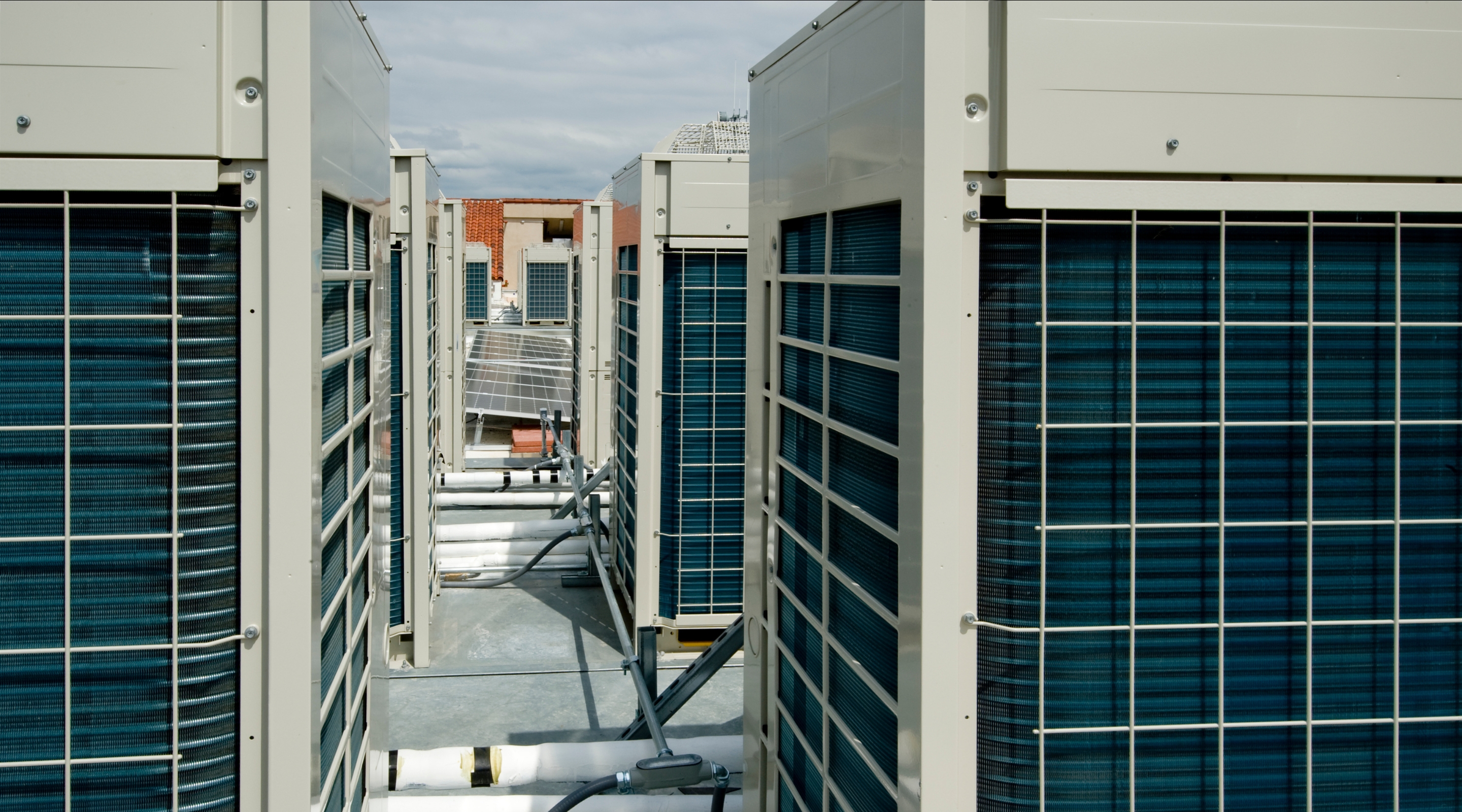
VRV/VRF Aircon Systems: Commercial Servicing in Singapore

Variable Refrigerant Volume (VRV) and Variable Refrigerant Flow (VRF) systems represent the pinnacle of commercial air conditioning technology, offering unprecedented energy efficiency, zone-specific climate control, and operational flexibility that make them increasingly popular in Singapore’s sophisticated commercial developments. These advanced systems utilize sophisticated refrigerant flow control and heat recovery technologies to provide optimal comfort while minimizing energy consumption, making them particularly valuable in Singapore’s expensive energy market and environmentally conscious business environment. Understanding the complex servicing requirements of VRV/VRF systems becomes essential for facility managers and business owners seeking to optimize their substantial investments in cutting-edge cooling technology.
The complexity that enables VRV/VRF systems to deliver superior performance also creates unique maintenance challenges that require specialized knowledge, advanced diagnostic equipment, and systematic service approaches significantly different from traditional commercial HVAC systems. As established in our comprehensive commercial aircon servicing guide, these sophisticated systems demand professional expertise that goes beyond conventional maintenance approaches. The intricate singapore aircon servicing requirements for VRV/VRF systems necessitate understanding of advanced refrigerant management, electronic controls, and system integration that impacts everything from routine maintenance to emergency repair strategies.
VRV/VRF Technology Fundamentals
Advanced Refrigerant Management
Variable refrigerant flow control enables precise capacity modulation based on actual cooling demands from multiple zones, providing superior energy efficiency compared to traditional constant-volume systems. This sophisticated control requires specialized understanding of refrigerant distribution networks and electronic expansion valve operation for effective maintenance and optimization.
Heat recovery capabilities in many VRV/VRF systems enable simultaneous heating and cooling in different zones while capturing waste heat for improved overall efficiency. Heat recovery system maintenance requires understanding of reversing valve operation, heat exchanger networks, and control logic that optimizes energy utilization across diverse applications.
Inverter-driven compressor technology provides variable capacity operation that matches system output to actual demand while maintaining optimal efficiency across varying load conditions. Professional service must understand inverter operation, motor control systems, and capacity modulation strategies for effective maintenance and troubleshooting.
Sophisticated Control Systems
Building management system integration enables centralized monitoring and control of VRV/VRF systems through sophisticated interfaces that coordinate with other building systems. Professional service must understand communication protocols, programming procedures, and integration requirements for effective system maintenance and optimization.
Zone-specific control capabilities provide individual temperature and humidity control for multiple areas while optimizing overall system efficiency and energy consumption. Advanced control system maintenance requires understanding of sensor networks, control algorithms, and user interface programming for optimal system operation.
Energy management features include demand limiting, scheduling, and optimization algorithms that minimize energy consumption while maintaining comfort standards. Professional energy management requires understanding of control strategies, monitoring systems, and optimization procedures that maximize efficiency benefits.
Singapore Commercial Applications
Office Building Integration
Multi-tenant building requirements in Singapore’s commercial developments demand flexible cooling solutions that accommodate varying occupancy patterns and usage schedules across different floors and zones. VRV/VRF systems provide optimal solutions for multi-tenant applications while requiring specialized maintenance approaches that address diverse operational requirements.
Central Business District installations face unique challenges from urban heat island effects, high-rise building pressures, and intensive usage patterns that stress system components. Professional service must understand urban environmental factors while optimizing system operation for demanding commercial applications.
Green building compliance requirements in Singapore’s sustainable development initiatives favor VRV/VRF systems for their energy efficiency capabilities while creating maintenance requirements that support environmental certification standards. Professional maintenance must address sustainability goals while ensuring optimal system performance and reliability.
Retail and Hospitality Applications
Shopping center installations require rapid response to varying occupancy loads while maintaining consistent comfort across diverse retail environments with different heat generation patterns. VRV/VRF systems provide optimal load handling while requiring maintenance approaches that address rapid load changes and continuous operation demands.
Hotel and restaurant applications demand precise climate control for guest comfort while managing energy costs through efficient operation and heat recovery capabilities. Professional service must understand hospitality industry requirements while optimizing comfort and efficiency for guest satisfaction and operational profitability.
Mixed-use development coordination requires understanding how VRV/VRF systems serve multiple building functions with different operational requirements and usage patterns. Professional maintenance must address diverse applications while ensuring optimal system integration and performance across all areas.
Complex Maintenance Requirements
Refrigerant System Complexity
Multi-zone refrigerant distribution through sophisticated piping networks requires precise pressure management and flow control across extended distances and multiple indoor units. Professional refrigerant service must account for system complexity while ensuring optimal refrigerant distribution and performance across all zones.
Branch circuit management includes multiple refrigerant branch boxes and distribution points that require systematic inspection and maintenance for optimal system operation. Professional maintenance must understand branch circuit design while ensuring proper refrigerant flow and pressure relationships throughout the system.
Leak detection complexity multiplies with extensive refrigerant line networks that create numerous potential failure points requiring comprehensive inspection and testing procedures. Professional leak detection must be systematic while efficiently identifying problems within complex distribution networks that span entire buildings.
Electronic Control Maintenance
Central control unit servicing requires understanding of complex electronic systems that coordinate operation across multiple indoor units and building zones. Professional control system maintenance includes software updates, parameter optimization, and diagnostic procedures that ensure reliable system operation and performance.
Communication network maintenance involves multiple communication lines and protocols that connect indoor units, outdoor units, and central controls throughout building installations. Professional communication system service must ensure reliable data transmission while preventing control problems that could affect multiple zones.
Sensor system calibration across multiple zones requires systematic verification and adjustment procedures that ensure accurate temperature and pressure monitoring throughout the system. Professional sensor maintenance ensures optimal control accuracy while preventing the drift problems that can affect system efficiency and comfort.
Advanced Diagnostic Procedures
System-Wide Performance Analysis
Comprehensive performance monitoring utilizes advanced diagnostic equipment to assess system operation across all zones while identifying optimization opportunities and developing problems. Professional diagnostic capabilities enable predictive maintenance approaches that prevent failures while optimizing system performance and energy efficiency.
Energy consumption analysis tracks system efficiency trends and identifies opportunities for optimization through operational adjustments and maintenance procedures. Professional energy analysis provides measurable improvement opportunities while supporting sustainability goals and cost management objectives.
Load balancing assessment ensures optimal refrigerant distribution and capacity allocation across multiple zones based on actual cooling demands and system capabilities. Professional load analysis optimizes system operation while preventing zone conflicts and ensuring adequate capacity for all areas.
Predictive Maintenance Technologies
Vibration analysis of compressor and fan systems enables early detection of mechanical problems before they cause failures or affect system performance. Professional vibration monitoring provides predictive capabilities that minimize unexpected downtime while optimizing maintenance timing and effectiveness.
Thermal imaging diagnostics identify heat transfer problems, electrical hot spots, and insulation issues that affect system efficiency and reliability. Advanced thermal analysis enables comprehensive system assessment while identifying problems not visible through conventional inspection procedures.
Refrigerant quality testing ensures optimal system performance while identifying contamination problems that can affect efficiency and component life. Professional refrigerant analysis maintains system reliability while preventing problems that could require expensive component replacement or system restoration.
Energy Efficiency Optimization
Performance Tuning Strategies
Compressor operation optimization through advanced control programming ensures optimal efficiency across varying load conditions while maintaining comfort standards. Professional optimization maximizes energy savings while ensuring reliable system operation and performance throughout diverse operating conditions.
Heat recovery system tuning optimizes energy transfer between heating and cooling zones while maximizing overall system efficiency and reducing total energy consumption. Professional heat recovery optimization provides substantial energy savings while ensuring optimal comfort delivery across all zones.
Control strategy refinement adapts system operation to actual building usage patterns while optimizing energy consumption and comfort delivery. Professional control optimization provides customized operation strategies that maximize efficiency while meeting specific application requirements and usage patterns.
Monitoring and Verification
Energy consumption tracking provides ongoing verification of optimization effectiveness while identifying additional improvement opportunities. Professional energy monitoring enables continuous improvement while demonstrating measurable results from optimization efforts and maintenance investments.
Performance benchmarking compares system operation to industry standards and manufacturer specifications while identifying areas for improvement. Professional benchmarking ensures optimal system performance while providing objective measures of maintenance effectiveness and system condition.
Efficiency reporting provides documentation of energy savings and system performance improvements that support sustainability goals and cost management objectives. Professional reporting demonstrates value while supporting environmental certification and energy management programs.
Specialized Service Procedures
Component-Specific Maintenance
Inverter system servicing requires specialized knowledge of electronic motor controls and power conditioning systems that enable variable capacity operation. Professional inverter maintenance ensures optimal performance while preventing the electronic failures that can cause complete system shutdown.
Heat exchanger optimization through systematic cleaning and inspection maintains optimal heat transfer efficiency while preventing the fouling that can dramatically reduce system performance. Professional heat exchanger service addresses both air-side and refrigerant-side contamination while ensuring maximum efficiency.
Expansion valve calibration ensures precise refrigerant flow control that optimizes system efficiency while preventing the flow problems that can cause zone comfort issues. Professional expansion valve service maintains optimal refrigerant distribution while ensuring reliable operation across all zones.
System Integration Maintenance
Building automation interface maintenance ensures reliable communication between VRV/VRF systems and central building management systems. Professional interface maintenance prevents communication problems while optimizing integrated building system operation and energy management.
Emergency system coordination includes integration with fire safety systems, emergency power systems, and building security systems that may interact with VRV/VRF operation. Professional emergency system maintenance ensures safety compliance while maintaining system reliability during emergency conditions.
Utility interface optimization includes coordination with electrical demand management, thermal energy storage, and renewable energy systems that may interact with VRV/VRF operation. Professional utility integration maximizes energy efficiency while ensuring optimal system coordination and performance.
Compliance and Regulatory Considerations
Safety Standards Compliance
Refrigerant safety regulations require specialized procedures for handling large refrigerant charges in commercial VRV/VRF systems while ensuring environmental compliance and worker safety. Professional safety compliance ensures regulatory adherence while maintaining effective service delivery and system performance.
Electrical safety requirements for high-voltage inverter systems demand specialized knowledge and safety procedures that protect service personnel while ensuring system reliability. Professional electrical safety ensures protection while maintaining effective service capabilities and system performance standards.
Building code compliance includes ventilation requirements, fire safety systems, and accessibility standards that affect VRV/VRF system operation and maintenance. Professional compliance expertise ensures regulatory adherence while optimizing system operation and maintenance procedures.
Environmental Regulations
Refrigerant management includes leak prevention, recovery procedures, and disposal requirements that protect environmental quality while ensuring system performance. Professional environmental compliance ensures regulatory adherence while maintaining optimal system operation and refrigerant management.
Energy efficiency standards may mandate minimum performance levels for commercial HVAC systems while requiring documentation of compliance and performance verification. Professional efficiency compliance ensures standard adherence while optimizing system performance and energy consumption.
Emissions reporting requirements may include documentation of refrigerant emissions and energy consumption for environmental compliance and certification programs. Professional reporting ensures regulatory compliance while supporting environmental certification and sustainability goals.
Emergency Response Capabilities
Critical System Failures
Rapid diagnosis procedures enable quick identification of problems that affect multiple zones while minimizing system downtime and business disruption. Professional emergency diagnosis prevents problem escalation while ensuring effective repair strategies and minimal service interruption.
Emergency repair capabilities include access to specialized replacement parts and equipment that enable rapid system restoration for critical commercial applications. Professional emergency response minimizes business impact while ensuring effective problem resolution and system reliability.
Temporary solution implementation may include partial system operation or temporary cooling alternatives that maintain critical areas during extended repair procedures. Professional emergency solutions ensure business continuity while enabling thorough system restoration and optimization.
Business Continuity Support
Priority service scheduling ensures rapid response for critical commercial systems that support essential business operations. Professional priority service minimizes business disruption while ensuring optimal system performance and reliability for mission-critical applications.
After-hours availability provides emergency service capabilities during non-business hours when system failures could affect building security, equipment protection, or essential operations. Professional after-hours service ensures protection while maintaining system reliability and performance standards.
Communication protocols keep facility managers and building operators informed about system status and repair progress while coordinating service activities with business operations. Professional communication ensures coordination while minimizing disruption and maintaining service transparency.
365 Aircon VRV/VRF Excellence
Advanced Service Capabilities
Manufacturer certification across major VRV/VRF brands ensures optimal service delivery through specialized training and equipment appropriate for different system types. Professional certification provides confidence while ensuring warranty compliance and optimal service quality.
Diagnostic equipment investment includes advanced testing and monitoring equipment specifically designed for VRV/VRF system service and optimization. Professional equipment capabilities ensure effective service delivery while maintaining competitive advantages and superior results.
Technical expertise development maintains current knowledge of advancing VRV/VRF technologies while ensuring service procedures remain optimal for both traditional and cutting-edge installations. Professional development ensures optimal service delivery across different technology generations and applications.
Singapore Market Leadership
Commercial market expertise includes understanding Singapore’s unique commercial building requirements and environmental conditions that affect VRV/VRF system operation. Local expertise ensures effective service delivery while addressing Singapore-specific performance and reliability factors.
Sustainability focus supports Singapore’s environmental goals through energy optimization and efficiency improvement services that demonstrate measurable results. Professional sustainability expertise provides value while supporting environmental responsibility and cost management objectives.
Customer partnership approach builds long-term relationships with commercial customers through reliable service delivery and proactive system optimization. Professional partnership demonstrates commitment while ensuring optimal system performance and customer satisfaction throughout ownership.
Conclusion
VRV/VRF aircon systems represent sophisticated commercial cooling solutions that provide excellent energy efficiency and comfort benefits when properly maintained through professional service approaches adapted to their complex requirements. The advanced technologies these systems incorporate require specialized expertise and systematic maintenance strategies that ensure optimal performance while protecting substantial system investments. Professional singapore aircon servicing that understands and addresses VRV/VRF complexity ensures maximum efficiency benefits while providing reliable multi-zone comfort and supporting business success in Singapore’s competitive commercial environment.
Frequently Asked Questions
Q: How often do VRV/VRF systems require professional maintenance compared to traditional commercial HVAC?
A: VRV/VRF systems typically require quarterly professional service due to complexity, though advanced monitoring may enable condition-based maintenance scheduling. Professional assessment determines optimal maintenance intervals while ensuring system reliability and efficiency.
Q: What are the main advantages of VRV/VRF systems for Singapore commercial applications?
A: Key benefits include superior energy efficiency, precise zone control, heat recovery capabilities, and reduced space requirements compared to traditional systems. Commercial expertise maximizes these advantages while ensuring optimal system performance and reliability.
Q: Can VRV/VRF system problems affect entire buildings or just individual zones?
A: Problems can be zone-specific or system-wide depending on the failure location, making professional diagnosis critical for efficient problem resolution while minimizing business disruption and service costs.
Q: How do VRV/VRF systems support Singapore’s green building requirements?
A: These systems provide superior energy efficiency, reduced refrigerant usage, and precise control capabilities that support environmental certification while reducing operating costs. Professional optimization ensures maximum environmental benefits while maintaining performance standards and regulatory compliance.