
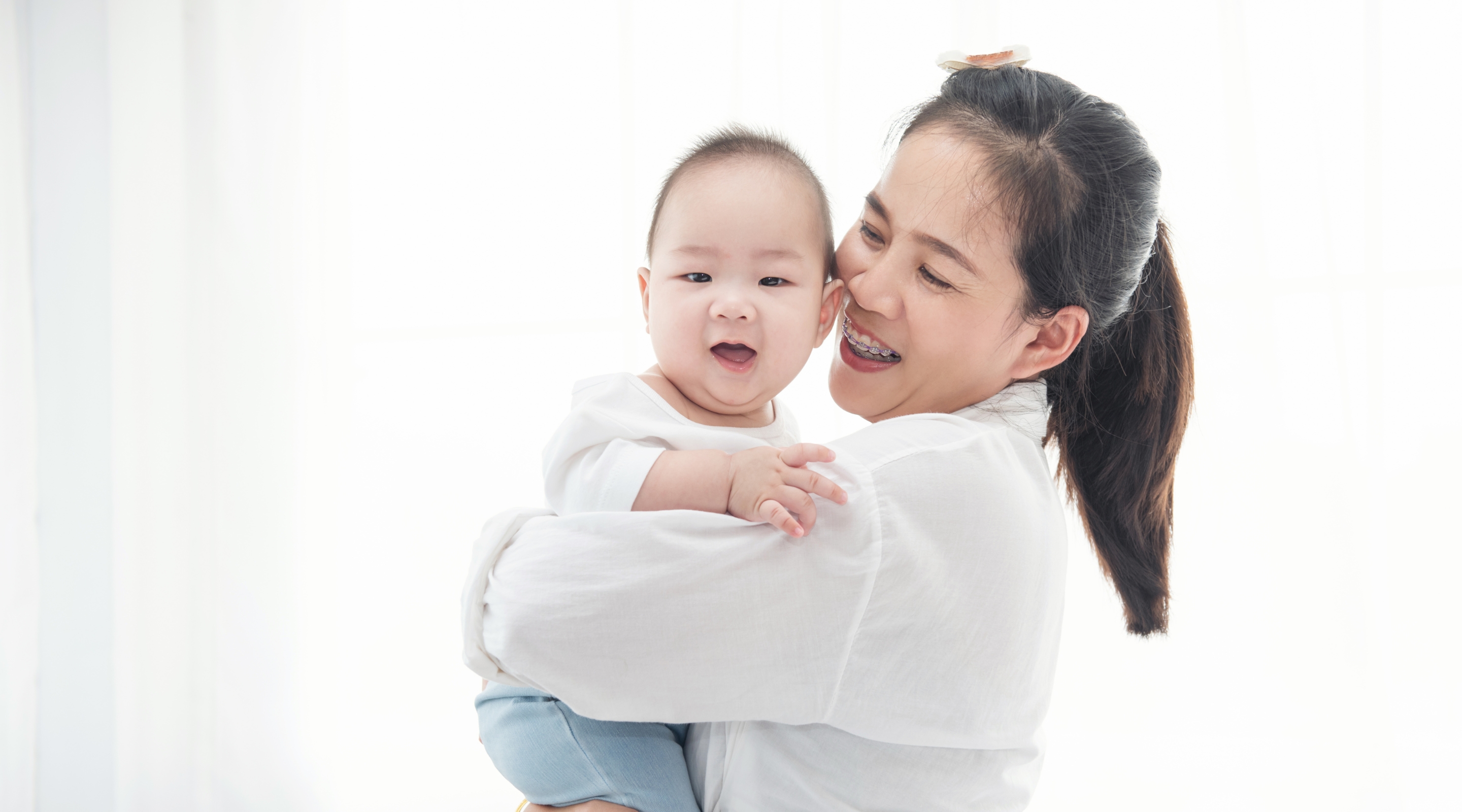
Singapore Newborn Baby: Safe Aircon Cleaning Practices

Bringing a newborn baby home in Singapore requires special attention to indoor air quality and safety considerations that extend far beyond traditional cleaning concerns. Singapore aircon cleaning for households with newborn infants demands specialized approaches that prioritize baby safety while ensuring effective contamination removal and optimal air quality that supports healthy development during the most vulnerable early months of life.
Understanding the unique respiratory and immune system vulnerabilities of newborn babies helps parents appreciate why standard aircon cleaning methods may not be appropriate for households with infants. Singapore aircon cleaning specialists trained in baby-safe practices can provide essential services that protect newborn health while maintaining the clean, comfortable indoor environment that growing families require.
Understanding Newborn Vulnerability to Air Quality Issues
Newborn babies possess immature respiratory systems with smaller airways, reduced lung capacity, and developing filtration mechanisms that make them significantly more susceptible to airborne contaminants than older children or adults. Their breathing patterns involve higher respiratory rates and deeper inhalation relative to body size, creating greater exposure to any contaminants present in indoor air.
The immune systems of newborn infants remain underdeveloped for several months after birth, providing limited protection against bacteria, viruses, mold spores, and chemical contaminants that might not affect healthy adults. This immune system immaturity makes exposure to contaminated air potentially life-threatening for newborns who cannot effectively fight off infections or process toxins.
Newborn skin provides less protection against environmental toxins compared to mature skin, with greater absorption rates and sensitivity to chemical exposure through both direct contact and inhalation. Chemical residues from cleaning products can cause skin irritation, respiratory problems, and systemic toxicity in newborns at levels that would be harmless to adults.
The developing nervous systems of newborn babies are particularly vulnerable to chemical exposure, with certain cleaning agents and contamination byproducts potentially affecting brain development and neurological function. Protecting newborns from these exposures during critical development periods becomes essential for long-term health outcomes.
Aircon Contamination Risks for Newborn Health
Bacterial contamination within aircon systems poses severe risks to newborn health, with species like Legionella, Pseudomonas, and Staphylococcus potentially causing serious respiratory infections, sepsis, or other life-threatening conditions in infants whose immune systems cannot mount adequate defense responses.
Mold contamination presents particularly serious risks for newborns, with exposure to mold spores and mycotoxins potentially causing respiratory distress, allergic sensitization, and developmental problems that may have lifelong consequences. Certain mold species produce toxins that can be fatal to newborns even at exposure levels that might only cause mild symptoms in adults.
Chemical contamination from cleaning products, pesticides, and industrial pollutants concentrated within aircon systems can cause acute poisoning or chronic health effects in newborns whose developing organ systems cannot effectively process and eliminate these substances. Even low-level chemical exposure can interfere with normal development processes.
Particulate matter including dust, pollen, and other allergens can trigger respiratory distress in newborns while also contributing to the development of allergies and asthma later in childhood. Early exposure to high levels of particulate matter may increase the risk of developing chronic respiratory conditions.
Baby-Safe Cleaning Product Selection
Chemical-free cleaning methods should be prioritized for households with newborns, with steam cleaning, hot water extraction, and mechanical removal techniques providing effective contamination elimination without introducing potentially harmful chemical residues. Professional services can achieve excellent cleaning results using only heat, water, and physical removal methods.
When chemical cleaning becomes necessary, only products specifically approved for use around infants should be considered, with preference given to biodegradable, non-toxic formulations that break down rapidly and do not leave harmful residues. Professional services maintain inventories of baby-safe cleaning products that meet the strictest safety standards.
Natural cleaning agents including vinegar, baking soda, and plant-based surfactants can provide effective cleaning action for certain applications while minimizing chemical exposure risks. Professional services can evaluate the appropriateness of natural cleaning methods for specific contamination types and cleaning requirements.
Cleaning product residue elimination becomes critical in baby-safe cleaning, with thorough rinsing and ventilation procedures ensuring complete removal of any cleaning agents used during the process. Professional services implement enhanced rinsing protocols that eliminate residue risks while maintaining cleaning effectiveness.
Safe Cleaning Timing and Scheduling
Temporary relocation during cleaning activities may be advisable for households with newborns, particularly when chemical treatments become necessary or when extensive cleaning generates significant airborne particles. Professional services can recommend appropriate relocation timing based on cleaning methods and contamination levels.
Pre-cleaning preparation includes securing baby belongings, protecting nursery areas, and ensuring adequate ventilation throughout the home during and after cleaning activities. Professional services coordinate with families to minimize disruption while ensuring complete safety for newborn occupants.
Post-cleaning ventilation periods allow complete air exchange and elimination of any residual cleaning byproducts before the baby returns to treated areas. Professional services provide specific guidance on ventilation timing based on cleaning methods and environmental conditions.
Air quality testing after cleaning completion provides objective verification that indoor air meets safety standards for newborn occupancy. Professional testing ensures that no harmful residues remain while confirming that contamination has been effectively eliminated.
Specialized Equipment for Baby-Safe Cleaning
HEPA filtration systems during cleaning procedures capture airborne particles and prevent their redistribution throughout the home during cleaning activities. Professional-grade equipment ensures that cleaning activities improve rather than temporarily worsen indoor air quality.
Low-noise equipment selection minimizes disruption to newborn sleep schedules while enabling thorough cleaning during times when babies are present in the home. Professional services use quieter equipment and techniques that accommodate the needs of families with sleeping infants.
Sealed cleaning systems prevent cross-contamination between treated and untreated areas while containing any disturbed contaminants during removal procedures. Professional equipment design ensures that contamination removal does not spread problems to previously clean areas.
Air scrubbing systems can provide additional air purification during and after cleaning activities, removing any particles or odors that might remain despite careful cleaning procedures. Professional air scrubbing equipment provides extra protection for newborn health during the cleaning process.
Health Monitoring and Safety Verification
Pre-cleaning health assessment considers any existing respiratory or health issues that might increase newborn vulnerability to cleaning activities. Professional services coordinate with pediatric healthcare providers when necessary to ensure cleaning approaches support rather than compromise infant health.
Real-time air quality monitoring during cleaning activities provides immediate feedback about airborne contaminant levels and enables procedure modification if conditions become unsuitable for newborn safety. Professional monitoring equipment provides objective safety verification throughout the cleaning process.
Post-cleaning health monitoring helps identify any adverse reactions that might indicate inadequate safety precautions or sensitivity to cleaning procedures. Professional services provide guidance on recognizing signs of exposure and appropriate response measures.
Medical coordination with pediatric healthcare providers ensures that cleaning activities complement rather than interfere with newborn medical care. Professional services can provide documentation and air quality data that supports pediatric health management.
Nursery and Baby Area Protection
Enhanced protection for nursery areas may include additional containment measures, extended ventilation periods, and specialized cleaning techniques that provide extra safety margins for spaces where newborns spend significant time. Professional services recognize the critical importance of nursery air quality for infant health.
Baby equipment and furniture require special cleaning and protection protocols that prevent contamination while ensuring that cleaning activities do not introduce new hazards. Professional services understand safe cleaning methods for cribs, changing tables, and other infant equipment.
Air circulation optimization in nursery areas ensures effective ventilation while preventing drafts that could cause discomfort or temperature fluctuations harmful to newborns. Professional assessment can identify optimal air circulation patterns that support both air quality and comfort.
Humidity control in baby areas becomes particularly important during cleaning activities, with proper moisture levels supporting respiratory health while preventing conditions that could promote mold growth or bacterial proliferation. Professional humidity management ensures optimal conditions for newborn health.
Long-term Air Quality Maintenance for Growing Families
Accelerated cleaning schedules may be appropriate for households with newborns, with more frequent professional cleaning helping maintain optimal air quality during critical development periods. Professional services can recommend maintenance schedules that provide enhanced protection for growing families.
Preventive maintenance programs help avoid contamination buildup that could require more intensive cleaning methods potentially unsuitable for households with infants. Professional prevention approaches maintain air quality through gentle, ongoing maintenance rather than aggressive periodic cleaning.
Growth-stage adaptation enables cleaning approaches to evolve as children develop and become less vulnerable to environmental exposures. Professional services can adjust cleaning methods and schedules as families grow and safety requirements change.
Educational support helps parents understand ongoing air quality maintenance practices that support newborn health while preparing them for changing needs as children develop. Professional guidance supports long-term family health through informed maintenance decisions.
Emergency Response and Rapid Intervention
Emergency cleaning protocols for urgent contamination situations prioritize newborn safety while enabling rapid response to health threats like mold discovery or bacterial contamination. Professional emergency services understand the critical importance of immediate response for infant protection.
Temporary alternative housing arrangements may be necessary during emergency remediation activities that cannot be performed safely with newborns present. Professional services can coordinate with families to arrange appropriate temporary accommodations when necessary.
Rapid air quality restoration after contamination events requires specialized techniques and equipment that achieve safe conditions for newborn occupancy as quickly as possible. Professional services prioritize rapid restoration while maintaining complete safety for infant health.
Healthcare coordination during emergencies ensures appropriate medical monitoring and intervention when newborns may have been exposed to harmful contaminants. Professional services facilitate communication with pediatric healthcare providers during emergency situations.
Cost Considerations and Value Analysis
Enhanced safety measures for baby-safe cleaning may involve additional costs compared to standard cleaning approaches, but the investment provides essential protection during the most vulnerable period of infant development. Professional services help families understand the value proposition for enhanced safety measures.
Preventive investment in high-quality air filtration, humidity control, and regular maintenance can reduce the need for extensive cleaning interventions while providing ongoing protection for newborn health. Professional assessment helps families optimize maintenance investments for maximum health protection.
Long-term health benefits from proper newborn air quality protection may include reduced risk of respiratory problems, allergies, and developmental issues that could result in significant healthcare costs later in childhood. Professional protection provides valuable health investment returns.
Insurance and warranty considerations may provide coverage for necessary cleaning and air quality improvements that protect newborn health. Professional services can provide documentation that supports insurance claims for medically necessary air quality interventions.
365 Aircon’s Baby-Safe Cleaning Expertise
365 Aircon provides specialized cleaning services designed specifically for households with newborn babies, using proven baby-safe techniques and products that prioritize infant health while achieving effective contamination removal. Their certified technicians receive specialized training in newborn safety protocols and baby-safe cleaning methods.
The company’s comprehensive approach includes pre-cleaning safety assessment, baby-safe product selection, enhanced safety protocols, and post-cleaning verification that ensures optimal conditions for newborn health. Their expertise provides confidence in both cleaning effectiveness and infant safety.
Quality assurance procedures include air quality testing and safety verification that confirms baby-safe conditions before families return to treated areas. The company’s commitment to newborn safety ensures that cleaning services provide health protection rather than introducing new risks.
Professional Training and Certification Requirements
Specialized training for baby-safe cleaning includes understanding infant vulnerability, safe product selection, enhanced safety protocols, and emergency response procedures that protect newborn health. Professional technicians receive comprehensive education in newborn safety requirements.
Certification programs ensure that cleaning technicians understand the unique requirements for working in homes with newborn babies while maintaining the highest safety standards. Professional certification provides assurance that technicians possess the knowledge necessary for baby-safe cleaning.
Ongoing education keeps professional technicians current with developing knowledge about infant health protection and emerging baby-safe cleaning technologies. Professional development ensures that services reflect the latest understanding of newborn safety requirements.
Quality control procedures verify that baby-safe cleaning protocols are followed consistently while maintaining documentation that supports safety verification and family confidence. Professional quality control ensures reliable safety performance across all service delivery.
Conclusion
Safe aircon cleaning practices for households with newborn babies require specialized expertise, enhanced safety protocols, and baby-safe products that prioritize infant health while achieving effective contamination removal. The unique vulnerabilities of newborn babies make professional expertise essential for ensuring that cleaning activities provide health protection rather than introducing new risks.
Understanding the critical importance of air quality for newborn health enables families to make informed decisions about cleaning approaches that balance effectiveness with safety requirements. The investment in baby-safe cleaning services provides essential health protection during the most vulnerable period of infant development.
Professional baby-safe cleaning services deliver superior value through enhanced safety measures, specialized expertise, and comprehensive protocols that ensure optimal conditions for newborn health. The peace of mind and health protection that professional services provide justify the investment through the priceless benefit of protecting precious new family members during their most vulnerable early months.
Frequently Asked Questions
Q: When is it safe to have aircon cleaning done after bringing a newborn home?
A: Professional baby-safe cleaning can be performed at any time with appropriate safety protocols, though many families prefer to schedule comprehensive cleaning before the baby arrives home. Professional services can recommend optimal timing based on specific cleaning needs and safety considerations.
Q: What cleaning methods are safest for households with newborn babies?
A: Steam cleaning, hot water extraction, and mechanical removal methods provide effective cleaning without chemical exposure risks. When chemicals are necessary, only baby-safe, non-toxic products should be used with enhanced ventilation and safety protocols.
Q: How long should we wait after cleaning before bringing the baby back into treated areas?
A: Wait times vary based on cleaning methods used, typically ranging from immediate re-entry for chemical-free methods to 24-48 hours for treatments requiring chemical application. Professional services provide specific guidance based on actual cleaning procedures performed.
Q: Are there warning signs that indicate our newborn may be reacting to air quality issues?
A: Signs include persistent coughing, unusual fussiness, feeding difficulties, skin irritation, or respiratory distress. Any concerning symptoms should prompt immediate consultation with pediatric healthcare providers and consideration of air quality assessment.
Expecting a baby or recently welcomed a newborn? Contact 365 Aircon for specialized baby-safe cleaning services that protect your precious little one while maintaining optimal indoor air quality for healthy development.