
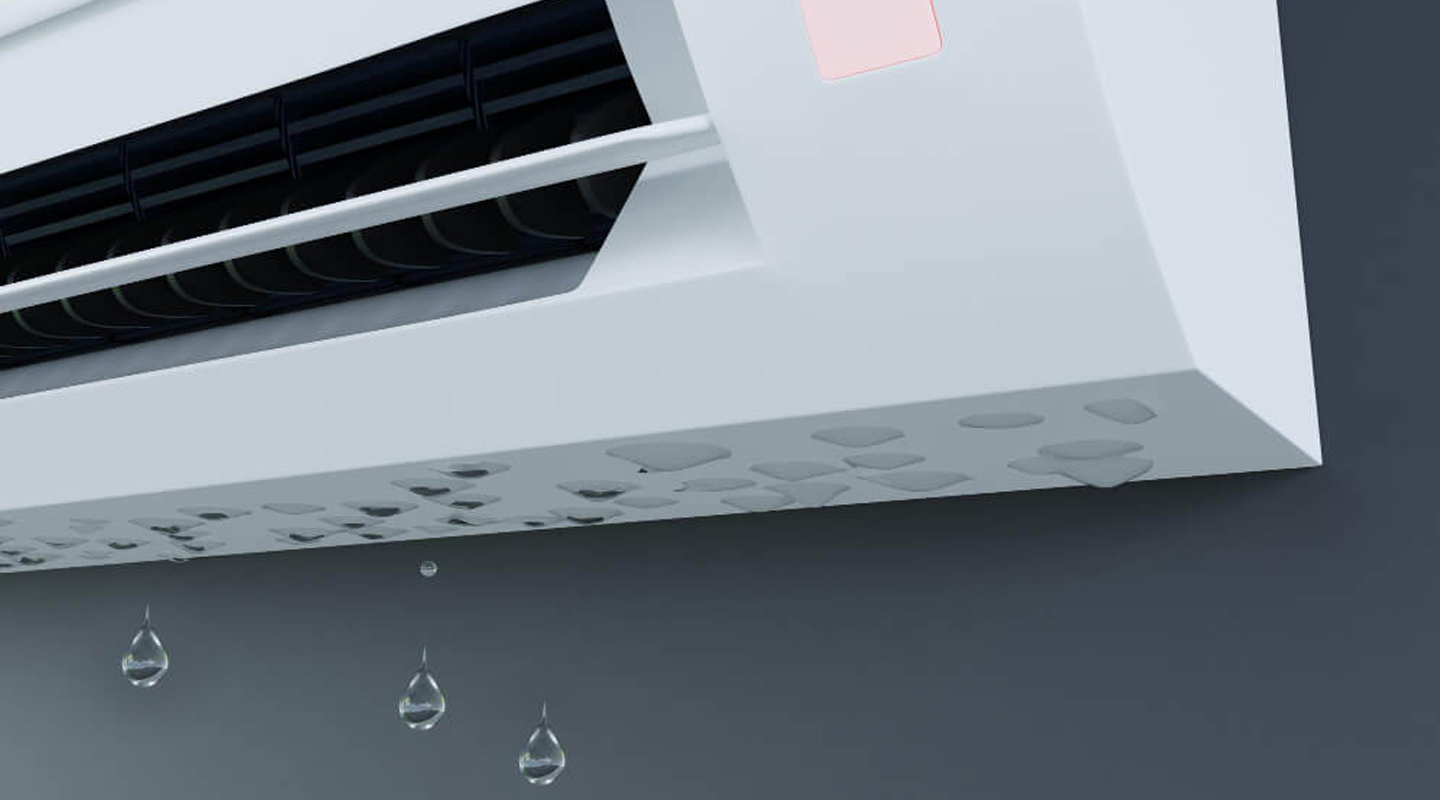
Singapore Aircon Drain Pan Cleaning: Preventing Mold Growth

The drain pan in your air conditioning system serves as the collection point for condensate water that forms during the cooling process, making it one of the most vulnerable areas for mold and bacterial growth within the entire system. In Singapore’s humid tropical climate, where moisture levels remain consistently high year-round, singapore aircon cleaning that specifically addresses drain pan maintenance becomes critical for preventing dangerous biological contamination that can affect both system performance and occupant health.
Understanding the vital role that clean drain pans play in maintaining healthy indoor air quality requires recognizing how these seemingly simple components can become breeding grounds for harmful microorganisms when neglected. Singapore aircon cleaning specialists emphasize that drain pan maintenance represents one of the most important yet frequently overlooked aspects of comprehensive aircon care, particularly in environments where humidity and temperature conditions favor rapid biological growth.
The Critical Role of Drain Pans in Aircon Systems
Aircon drain pans collect condensate water that forms when warm, humid air passes over cold evaporator coils, creating a natural dehumidification process that removes moisture from indoor air. This continuous collection of water creates perpetually moist conditions that, when combined with organic debris and comfortable temperatures, provide ideal environments for mold, bacteria, and other microorganisms to establish thriving colonies.
The location of drain pans within aircon systems often places them in areas with limited air circulation and natural light, creating dark, humid conditions that accelerate biological growth. These enclosed environments allow contaminants to multiply undisturbed for extended periods, potentially reaching dangerous concentration levels before becoming apparent through visible growth or unpleasant odors.
The design of many drain pan systems includes curves, corners, and low-flow areas where water can stagnate and debris can accumulate, creating microenvironments that are particularly conducive to biological growth. These areas require specialized cleaning techniques to ensure thorough contamination removal and effective prevention of future growth.
Drainage connections from the pan to external disposal systems can become partially blocked over time, creating standing water conditions that significantly increase the risk of biological contamination. Even small obstructions can create stagnant areas where dangerous microorganisms can establish colonies and begin producing spores and toxins.
Understanding Mold Growth Conditions and Health Risks
Mold spores are naturally present in outdoor air and easily enter buildings through normal ventilation and infiltration processes, making contamination inevitable when favorable growth conditions exist within aircon systems. Once established in drain pans, mold colonies produce millions of microscopic spores that circulate throughout indoor spaces whenever the aircon system operates.
The warm, humid conditions within contaminated drain pans create perfect environments for pathogenic mold species including Aspergillus, Penicillium, and Stachybotrys that produce mycotoxins linked to serious health problems. These toxic compounds can cause respiratory irritation, immune system suppression, neurological symptoms, and other health issues that may develop gradually over extended exposure periods.
Bacterial growth often accompanies mold contamination in drain pans, with species like Legionella and Pseudomonas creating additional health risks through airborne distribution of bacterial cells and endotoxins. These microorganisms can cause serious respiratory infections, particularly in individuals with compromised immune systems or underlying health conditions.
The combination of mold and bacterial contamination in drain pans creates complex biological ecosystems that produce volatile organic compounds, creating the musty odors commonly associated with contaminated aircon systems. These chemical emissions can cause headaches, nausea, and respiratory irritation even at low concentration levels.
Singapore’s Climate Challenges for Drain Pan Maintenance
Singapore’s consistently high humidity levels, typically ranging from seventy to ninety percent, create ideal conditions for rapid biological growth within aircon drain pans. The constant moisture availability accelerates contamination development and makes prevention more challenging compared to drier climates where natural desiccation helps control microbial growth.
The year-round warm temperatures in Singapore maintain optimal growth conditions for most mold and bacterial species, eliminating the seasonal die-back that occurs in temperate climates. This continuous growth potential means that contamination can establish and spread rapidly without natural environmental controls.
Tropical weather patterns including frequent rainfall and seasonal monsoons create additional moisture sources that can affect drain pan conditions through increased humidity levels and potential infiltration issues. These weather extremes can overwhelm drainage systems and create standing water conditions that accelerate biological growth.
Urban pollution in Singapore introduces additional organic matter and chemical contaminants that can serve as nutrients for biological growth within drain pans. Dust, pollen, and air pollutants provide food sources that support larger and more diverse microbial populations than would occur in cleaner environments.
Professional Drain Pan Cleaning Process
Comprehensive drain pan cleaning begins with complete system shutdown and safety isolation to prevent electrical hazards and ensure technician safety during cleaning procedures. Professional technicians follow established protocols that protect both personnel and system components while enabling thorough access to contaminated areas.
Initial assessment includes visual inspection and testing to determine contamination levels and identify specific cleaning requirements. Professional services use specialized diagnostic tools that can detect biological contamination even when not visually apparent, ensuring that all contamination sources are identified and addressed.
Mechanical cleaning involves physical removal of accumulated debris, biofilm, and established mold colonies using specialized brushes and scraping tools designed for drain pan applications. This mechanical disruption is essential for breaking up established biological communities that cannot be eliminated through chemical treatment alone.
Chemical treatment follows mechanical cleaning and involves application of antimicrobial solutions specifically formulated for aircon applications. Professional services use EPA-approved biocides that effectively eliminate remaining microorganisms while being safe for use in occupied buildings and compatible with system materials.
Specialized Cleaning Techniques and Equipment
High-pressure washing systems enable thorough removal of biofilm and stubborn contaminants that adhere strongly to drain pan surfaces. Professional equipment generates controlled pressure levels that effectively remove contamination while preventing damage to pan materials or drainage connections.
Ultrasonic cleaning technology provides superior contamination removal for drain pans with complex geometries or hard-to-reach areas where conventional cleaning methods may be ineffective. This technology uses high-frequency sound waves to create cavitation bubbles that mechanically disrupt biological contamination at the microscopic level.
Steam cleaning offers chemical-free biological elimination through thermal destruction of microorganisms while providing deep penetration into porous materials and tight spaces. Professional steam equipment generates temperatures sufficient to kill mold spores and bacteria while avoiding chemical exposure concerns.
Specialized vacuum extraction removes contaminated water and debris during cleaning procedures while preventing cross-contamination of clean areas. Professional services use HEPA-filtered vacuum systems that capture microscopic particles and prevent their redistribution during cleaning activities.
Prevention Strategies and Maintenance Protocols
Improved drainage design and maintenance prevents water stagnation that creates favorable conditions for biological growth. Professional services can evaluate drainage systems and recommend improvements that enhance water removal while reducing contamination risks.
Regular inspection schedules enable early detection of contamination before it reaches dangerous levels or becomes firmly established within drain pan systems. Professional monitoring programs can identify developing problems and implement corrective measures before major interventions become necessary.
Enhanced filtration upstream of evaporator coils reduces the organic matter that reaches drain pans and provides nutrients for biological growth. Professional services can recommend filtration improvements that support cleaner drain pan conditions while improving overall air quality.
Humidity control measures help create less favorable conditions for biological growth by reducing moisture availability and improving air circulation around drain pan areas. Professional assessment can identify opportunities for improved environmental control that supports long-term contamination prevention.
Health Benefits of Clean Drain Pans
Elimination of airborne mold spores through drain pan cleaning provides immediate respiratory health benefits, particularly for individuals with allergies, asthma, or other respiratory sensitivities. Clean drain pans prevent the continuous circulation of biological contaminants that can trigger allergic reactions and respiratory symptoms.
Reduced bacterial exposure from clean drain pans helps prevent respiratory infections and other health issues associated with pathogenic bacteria that commonly grow in contaminated water sources. This protection is particularly important for vulnerable populations including children, elderly individuals, and immunocompromised persons.
Improved indoor air quality results from eliminating the volatile organic compounds and odorous emissions produced by biological contamination in drain pans. Clean systems provide fresher, healthier air that supports better comfort and wellbeing for all occupants.
Prevention of toxic exposure from mycotoxins and bacterial endotoxins protects against serious health effects that can result from chronic exposure to these harmful compounds. Regular drain pan cleaning prevents the accumulation of dangerous toxin levels that could cause long-term health problems.
Integration with Comprehensive System Maintenance
Drain pan cleaning should be coordinated with other system maintenance activities to maximize effectiveness while minimizing service disruptions. Professional services can schedule drain pan maintenance in conjunction with coil cleaning and chemical wash procedures that address related contamination issues.
Preventive maintenance programs that include regular drain pan inspection and cleaning help maintain optimal system hygiene while preventing emergency situations that could require extensive remediation. Professional programs provide cost-effective contamination prevention that supports long-term system health.
Performance monitoring after drain pan cleaning verifies that biological contamination has been eliminated and that drainage systems function properly. Professional services provide documentation and follow-up monitoring that ensures cleaning effectiveness and long-term contamination prevention.
System optimization through coordinated maintenance ensures that clean drain pans are supported by optimal performance from other system components. Professional technicians verify that improved drain pan conditions are maintained through proper system operation and environmental control.
Advanced Detection and Monitoring Technologies
Biological testing capabilities enable professional services to identify specific contamination types and monitor cleaning effectiveness objectively. Laboratory analysis can detect dangerous species and toxin levels that may not be apparent through visual inspection alone.
Environmental monitoring systems can provide continuous assessment of conditions that affect biological growth within drain pans. These systems enable proactive maintenance scheduling based on actual conditions rather than arbitrary time intervals.
Remote sensing technologies allow monitoring of drain pan conditions without physical access, enabling early detection of problems and more efficient maintenance scheduling. These advances support predictive maintenance approaches that optimize service timing and effectiveness.
Molecular detection methods can identify biological contamination at very low levels, enabling early intervention before contamination becomes established and difficult to eliminate. These sensitive detection capabilities support more effective prevention and treatment strategies.
365 Aircon’s Approach to Drain Pan Maintenance
365 Aircon provides comprehensive drain pan cleaning services that address the unique challenges of Singapore’s tropical environment while ensuring thorough contamination elimination and effective prevention strategies. Their certified technicians use advanced equipment and proven techniques that deliver superior results while maintaining system safety.
The company’s commitment to thorough assessment and customized treatment approaches ensures that each drain pan receives appropriate attention based on its specific contamination challenges and prevention requirements. Their professional approach maximizes cleaning effectiveness while supporting long-term system health.
Quality assurance procedures include biological testing and performance verification that confirms contamination elimination and proper drainage function. The company’s comprehensive approach provides confidence in service results while supporting ongoing health and safety objectives.
Long-term Prevention and System Health
Regular professional maintenance creates sustainable drain pan cleanliness that prevents recurring contamination while supporting optimal system performance. Professional programs address both immediate cleaning needs and long-term prevention strategies that maintain healthy conditions.
Environmental modifications can improve conditions around drain pan areas to reduce contamination risks and support easier maintenance. Professional assessment can identify opportunities for system improvements that enhance long-term cleanliness and performance.
Education and awareness programs help property owners understand the importance of drain pan maintenance while recognizing early warning signs that indicate developing problems. Professional guidance supports proactive maintenance approaches that prevent serious contamination issues.
Conclusion
Singapore aircon drain pan cleaning represents a critical component of comprehensive system maintenance that directly impacts indoor air quality, occupant health, and system performance. The unique challenges of Singapore’s tropical climate make drain pan maintenance particularly important for preventing dangerous biological contamination that can affect both immediate comfort and long-term health outcomes.
Understanding the importance of clean drain pans and the professional services required to maintain optimal conditions enables property owners to make informed decisions about system maintenance priorities. The comprehensive benefits of professional drain pan cleaning extend beyond immediate contamination removal to include health protection, system optimization, and long-term prevention of serious contamination issues.
Professional drain pan cleaning services provide the expertise, equipment, and techniques necessary to address biological contamination while implementing effective prevention strategies that maintain healthy conditions. The investment in professional services delivers superior value through improved air quality, health protection, and system reliability that justify the service costs through tangible benefits and peace of mind.
Frequently Asked Questions
Q: How can I tell if my aircon drain pan has mold or bacterial contamination?
A: Warning signs include musty odors when the aircon operates, visible mold growth around drain areas, water stains or leakage, unusual allergic reactions when indoors, and persistent humidity issues. Professional assessment can detect contamination even when not visually apparent.
Q: How often should drain pans be professionally cleaned in Singapore?
A: Most systems benefit from drain pan inspection and cleaning every 3-6 months due to Singapore’s humid climate that accelerates biological growth. Systems with previous contamination issues or high-risk environments may require more frequent attention.
Q: Can I clean the drain pan myself or do I need professional service?
A: While basic maintenance like clearing visible debris can be performed by homeowners, thorough contamination removal and effective prevention require professional expertise, specialized equipment, and appropriate antimicrobial treatments that ensure safety and effectiveness.
Q: What health risks are associated with contaminated drain pans?
A: Contaminated drain pans can cause respiratory irritation, allergic reactions, asthma attacks, respiratory infections, and exposure to toxic compounds produced by mold and bacteria. Vulnerable populations including children, elderly, and immunocompromised individuals face higher risks.
Concerned about mold growth in your aircon drain pan? Contact 365 Aircon for professional drain pan cleaning services that eliminate contamination and prevent future biological growth in Singapore’s challenging climate.