
Aircon Mold Removal Singapore: Protecting Your Family’s Health

Mold contamination within air conditioning systems represents one of the most serious health threats facing Singapore families, with the tropical climate’s constant warmth and humidity creating ideal conditions for rapid mold growth throughout aircon components. Understanding the severe health implications of mold exposure and the professional singapore aircon cleaning services required for safe, effective removal becomes critical for protecting family wellbeing in environments where aircon systems operate continuously.
The hidden nature of mold growth within aircon systems makes this contamination particularly dangerous, as families may experience prolonged exposure to toxic mold spores and mycotoxins without recognizing the source of their health problems. Singapore aircon cleaning specialists trained in mold identification and removal provide essential services that protect families from these serious health hazards while restoring safe, healthy indoor air quality.
Understanding Mold Growth in Singapore Aircon Systems
Mold organisms thrive in the warm, humid, dark environments that exist within air conditioning systems, finding abundant moisture from condensation processes and organic matter from dust, debris, and biological contaminants that accumulate over time. Singapore’s tropical climate provides year-round conditions that support aggressive mold growth, with temperature and humidity levels rarely dropping below optimal ranges for fungal proliferation.
The enclosed spaces within aircon systems create perfect microenvironments where mold colonies can establish and spread rapidly without detection, often covering extensive surface areas before becoming visible or producing detectable odors. These hidden colonies can produce millions of microscopic spores that circulate throughout indoor spaces whenever the aircon system operates, creating continuous exposure to potentially dangerous fungal contamination.
Condensate water from the cooling process provides the moisture that mold requires for growth, while organic debris including dust, pet dander, pollen, and human skin cells provides abundant nutrients that support large, diverse mold populations. The combination of moisture, nutrients, moderate temperatures, and darkness creates conditions that favor not only rapid growth but also the production of mycotoxins and other harmful compounds.
Poor drainage conditions within aircon systems can create standing water areas where mold growth becomes particularly aggressive, with some species producing toxic compounds that pose serious health risks even at relatively low exposure levels. These stagnant water areas become breeding grounds for dangerous mold species that may not develop in drier conditions.
Dangerous Mold Species Found in Aircon Systems
Stachybotrys chartarum, commonly known as black mold, represents one of the most dangerous species found in contaminated aircon systems, producing potent mycotoxins that can cause severe respiratory problems, neurological symptoms, and immune system suppression. This species thrives in constantly moist conditions and produces toxins that remain hazardous even after the mold itself has been killed.
Aspergillus species commonly found in aircon systems include several varieties that produce aflatoxins and other carcinogenic compounds, creating serious long-term health risks through chronic exposure. These species can trigger severe allergic reactions while also producing toxins that accumulate in body tissues and may contribute to cancer development over time.
Penicillium species frequently colonize aircon systems and produce antibiotic compounds that can cause allergic reactions and respiratory sensitization in susceptible individuals. While some Penicillium species have beneficial medical uses, environmental exposure through contaminated air systems can cause serious health problems including chronic respiratory inflammation.
Chaetomium species thrive in water-damaged aircon components and produce volatile organic compounds that create characteristic musty odors while also triggering respiratory problems and skin irritation. These species often indicate serious moisture problems that require comprehensive remediation beyond surface cleaning.
Health Risks from Aircon Mold Exposure
Respiratory health impacts from mold exposure through contaminated aircon systems can range from mild irritation to severe, life-threatening conditions including hypersensitivity pneumonitis, toxic pneumonia, and progressive lung damage. Continuous exposure to mold spores through indoor air circulation can overwhelm respiratory defenses and cause permanent lung scarring in severe cases.
Allergic reactions to mold exposure often develop gradually, with individuals becoming increasingly sensitized over time until even small exposures trigger severe symptoms including asthma attacks, chronic sinusitis, and systemic allergic reactions. Once sensitization occurs, affected individuals may experience severe reactions to mold exposure throughout their lives.
Neurological symptoms from mycotoxin exposure can include memory problems, difficulty concentrating, mood changes, headaches, and fatigue that significantly impact daily functioning and quality of life. These symptoms often develop slowly and may be misattributed to other causes, delaying proper diagnosis and treatment.
Immune system suppression from chronic mold exposure increases susceptibility to infections and may contribute to autoimmune disorders that can have lifelong health consequences. Children and elderly individuals face particularly high risks from immune system impacts that can affect development and overall health outcomes.
Recognizing Signs of Mold Contamination
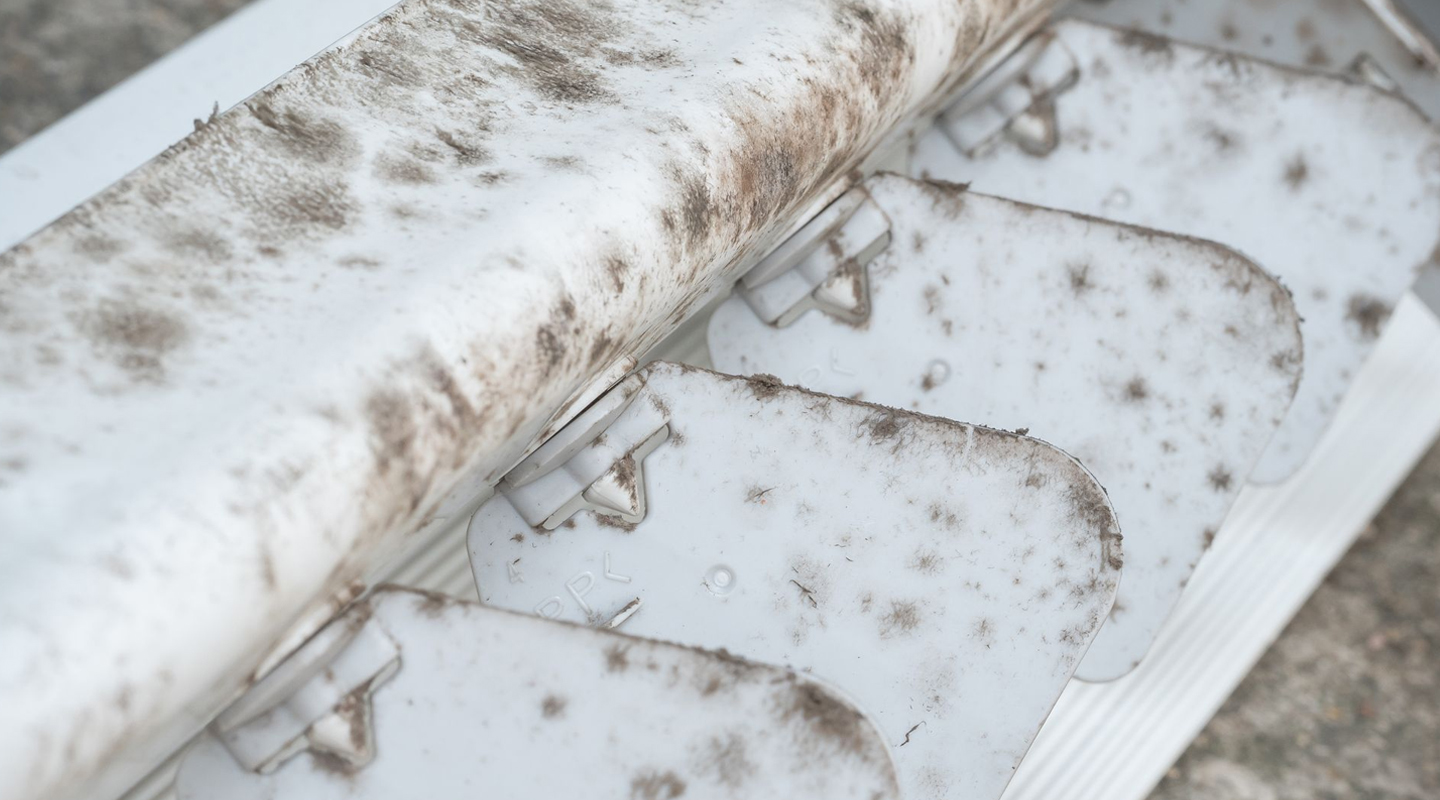
Visible mold growth around air vents, drain pans, or accessible aircon components indicates extensive contamination throughout the system that requires immediate professional attention. Any visible mold growth suggests that hidden colonies likely exist throughout the air distribution network, creating widespread exposure risks.
Persistent musty odors when the aircon system operates often indicate active mold growth within the system, with odor intensity typically correlating with contamination severity. These odors may be strongest when the system first starts up or during periods of high humidity when mold activity increases.
Health symptoms that worsen when spending time indoors or improve when away from home can indicate aircon mold contamination, particularly when multiple family members experience similar symptoms. Respiratory problems, allergic reactions, and neurological symptoms that correlate with indoor air exposure suggest possible mold contamination.
Unexplained respiratory problems in previously healthy family members, particularly children, may indicate mold exposure through contaminated aircon systems. New onset asthma, chronic coughing, or frequent respiratory infections can result from mold exposure and require immediate investigation.
Professional Mold Assessment and Testing
Comprehensive mold inspection by qualified professionals includes visual assessment of all accessible aircon components, air quality testing, and laboratory analysis of samples to identify specific mold species and contamination levels. Professional assessment provides objective data necessary for developing appropriate remediation strategies.
Air quality testing measures airborne mold spore concentrations and identifies specific species present in indoor air, enabling comparison with outdoor levels to determine whether indoor contamination exists. Professional testing uses standardized methods that provide reliable data for health risk assessment and remediation planning.
Surface sampling from aircon components enables identification of specific mold species and assessment of contamination severity throughout the system. Professional sampling techniques ensure representative samples while avoiding contamination that could affect test results accuracy.
Moisture detection and measurement help identify underlying conditions that support mold growth while ensuring that remediation efforts address root causes rather than just visible contamination. Professional moisture assessment guides comprehensive remediation that prevents mold recurrence.
Professional Mold Removal Process
Safe mold removal requires specialized containment procedures that prevent cross-contamination during remediation activities, protecting both workers and building occupants from exposure to disturbed mold spores. Professional containment includes negative pressure systems, physical barriers, and air filtration that isolate work areas from occupied spaces.
Personal protective equipment for mold remediation includes respiratory protection, protective clothing, and eye protection that prevents worker exposure to dangerous mold spores and mycotoxins. Professional technicians use appropriate protection levels based on contamination severity and species identification results.
Contaminated material removal involves careful extraction of heavily contaminated components that cannot be effectively cleaned, including ductwork sections, insulation materials, and damaged aircon components. Professional removal procedures minimize spore release while ensuring complete contamination elimination.
Cleaning and disinfection of remaining components uses specialized antimicrobial treatments that eliminate mold growth while preventing regrowth through residual protection. Professional treatments are selected based on surface materials and contamination types to ensure effectiveness while maintaining component integrity.
Advanced Remediation Technologies
HEPA air filtration during remediation captures airborne mold spores released during cleaning activities, preventing cross-contamination and protecting occupants from exposure. Professional-grade air scrubbers create negative pressure while filtering air to maintain safe conditions throughout the remediation process.
Antimicrobial fogging treatments can reach inaccessible areas within aircon systems where mold contamination may persist despite mechanical cleaning efforts. Professional fogging uses appropriate antimicrobial agents that effectively eliminate mold while being safe for use in occupied buildings.
UV germicidal lights installed in aircon systems provide ongoing mold prevention through continuous sterilization of air passing through the system. Professional installation ensures optimal placement and intensity that maximizes antimicrobial effectiveness while maintaining system safety.
Ozone treatment may be appropriate for severe contamination cases, with professional application ensuring effective mold elimination while protecting occupants from ozone exposure hazards. Professional ozone treatment requires temporary building evacuation and specialized equipment to ensure safety and effectiveness.
Prevention Strategies and Long-term Protection
Humidity control represents the most effective long-term mold prevention strategy, with professional assessment and optimization of aircon system humidity control preventing conditions that support mold growth. Maintaining relative humidity below sixty percent significantly reduces mold growth potential throughout the building.
Improved drainage design and maintenance prevents water accumulation that creates favorable conditions for mold growth within aircon systems. Professional evaluation can identify drainage improvements that eliminate moisture problems while ensuring proper system operation.
Enhanced filtration systems capture mold spores before they can establish colonies within aircon systems, providing ongoing protection against contamination. Professional filtration upgrades can significantly reduce mold contamination risks while improving overall air quality.
Regular professional inspection and maintenance enable early detection of moisture problems and beginning mold growth before extensive contamination develops. Professional monitoring programs provide proactive protection that prevents serious contamination and associated health risks.
Health Protection During and After Remediation
Temporary relocation may be necessary during extensive mold remediation to protect family members from exposure to disturbed mold spores and remediation chemicals. Professional assessment determines when relocation is advisable based on contamination severity and family health considerations.
Medical consultation should be sought for family members who have experienced mold exposure symptoms, with professional remediation documentation supporting medical evaluation and treatment planning. Healthcare providers can assess exposure risks and recommend appropriate monitoring or treatment.
Post-remediation testing verifies successful mold elimination and confirms that indoor air quality has been restored to safe levels. Professional testing provides objective evidence that remediation has been effective while identifying any areas that may require additional attention.
Ongoing health monitoring helps detect any recurring symptoms that might indicate incomplete remediation or new contamination development. Professional guidance supports long-term health protection through continued vigilance and appropriate response to developing problems.
Legal and Insurance Considerations
Documentation of mold contamination and remediation activities may be required for insurance claims or legal proceedings related to health impacts or property damage. Professional services provide comprehensive documentation that supports claims while ensuring compliance with regulatory requirements.
Insurance coverage for mold remediation varies significantly between policies and circumstances, with professional assessment and documentation supporting coverage determinations. Professional services understand insurance requirements and can provide appropriate documentation to support claims processing.
Disclosure obligations for property sales may require documentation of previous mold problems and remediation activities. Professional remediation with proper documentation provides protection for property owners while ensuring compliance with disclosure requirements.
Liability protection through professional remediation services includes insurance coverage and warranties that protect property owners from future claims related to mold contamination. Professional services carry appropriate insurance and provide warranties that support long-term protection.
365 Aircon’s Comprehensive Mold Removal Services
365 Aircon provides specialized mold removal services that address the unique challenges of Singapore’s tropical climate while ensuring complete elimination of dangerous mold contamination from aircon systems. Their certified technicians use advanced equipment and proven techniques that protect family health while restoring safe indoor air quality.
The company’s comprehensive approach includes thorough assessment, safe containment, complete removal, and preventive measures that address both immediate contamination and long-term protection needs. Their expertise ensures that mold remediation provides lasting results while maintaining aircon system performance and safety.
Quality assurance procedures include post-remediation testing and ongoing monitoring that verifies successful mold elimination while providing early warning of any future contamination development. The company’s commitment to health protection ensures that families receive comprehensive protection from dangerous mold exposure.
Emergency Response and Rapid Intervention
Emergency mold removal services provide rapid response to severe contamination situations that pose immediate health risks to family members. Professional emergency services prioritize health protection while implementing comprehensive remediation that addresses all contamination sources.
Rapid assessment capabilities enable quick determination of contamination severity and appropriate response measures that protect family health while minimizing disruption. Professional assessment guides emergency response priorities while ensuring comprehensive protection.
Temporary protection measures can provide immediate health protection while comprehensive remediation is planned and implemented. Professional services can implement interim measures that reduce exposure risks while preparing for complete contamination elimination.
Conclusion
Aircon mold removal in Singapore represents a critical health protection service that addresses one of the most serious indoor air quality threats facing families in tropical climates. The combination of professional expertise, specialized equipment, and comprehensive remediation approaches provides essential protection against dangerous mold exposure while restoring safe, healthy indoor environments.
Understanding the serious health risks associated with aircon mold contamination and the professional services required for safe, effective removal enables families to make informed decisions that protect their most valuable asset – their health. The investment in professional mold removal delivers superior value through improved health outcomes, peace of mind, and long-term protection that far exceeds the service costs.
Professional aircon mold removal services provide the expertise and resources necessary to address complex contamination situations while ensuring family safety throughout the remediation process. The comprehensive approach addresses both immediate health protection and long-term prevention, delivering lasting results that support healthy indoor environments for years to come.
Frequently Asked Questions
Q: How can I tell if my aircon system has dangerous mold contamination?
A: Warning signs include persistent musty odors when the system operates, visible mold growth around vents or components, family members experiencing respiratory symptoms that worsen indoors, and unexplained allergic reactions. Professional testing provides definitive contamination assessment.
Q: Is it safe to continue using my aircon if I suspect mold contamination?
A: Continued use of contaminated systems can worsen mold exposure and health risks. It’s advisable to shut down the system and seek professional assessment immediately, particularly if family members are experiencing health symptoms that may be related to mold exposure.
Q: How long does professional mold removal take and can my family stay home?
A: Remediation time varies from hours to several days depending on contamination severity. Minor contamination may allow occupancy with precautions, while extensive contamination often requires temporary relocation to protect family health during remediation activities.
Q: What’s the difference between DIY mold cleaning and professional removal?
A: Professional removal includes proper containment, specialized equipment, complete elimination of hidden contamination, appropriate disposal of contaminated materials, and post-remediation testing. DIY efforts often spread contamination and fail to address hidden mold sources, potentially worsening health risks.
Concerned about mold in your aircon system? Contact 365 Aircon immediately for professional mold assessment and removal services that protect your family’s health through comprehensive contamination elimination.