
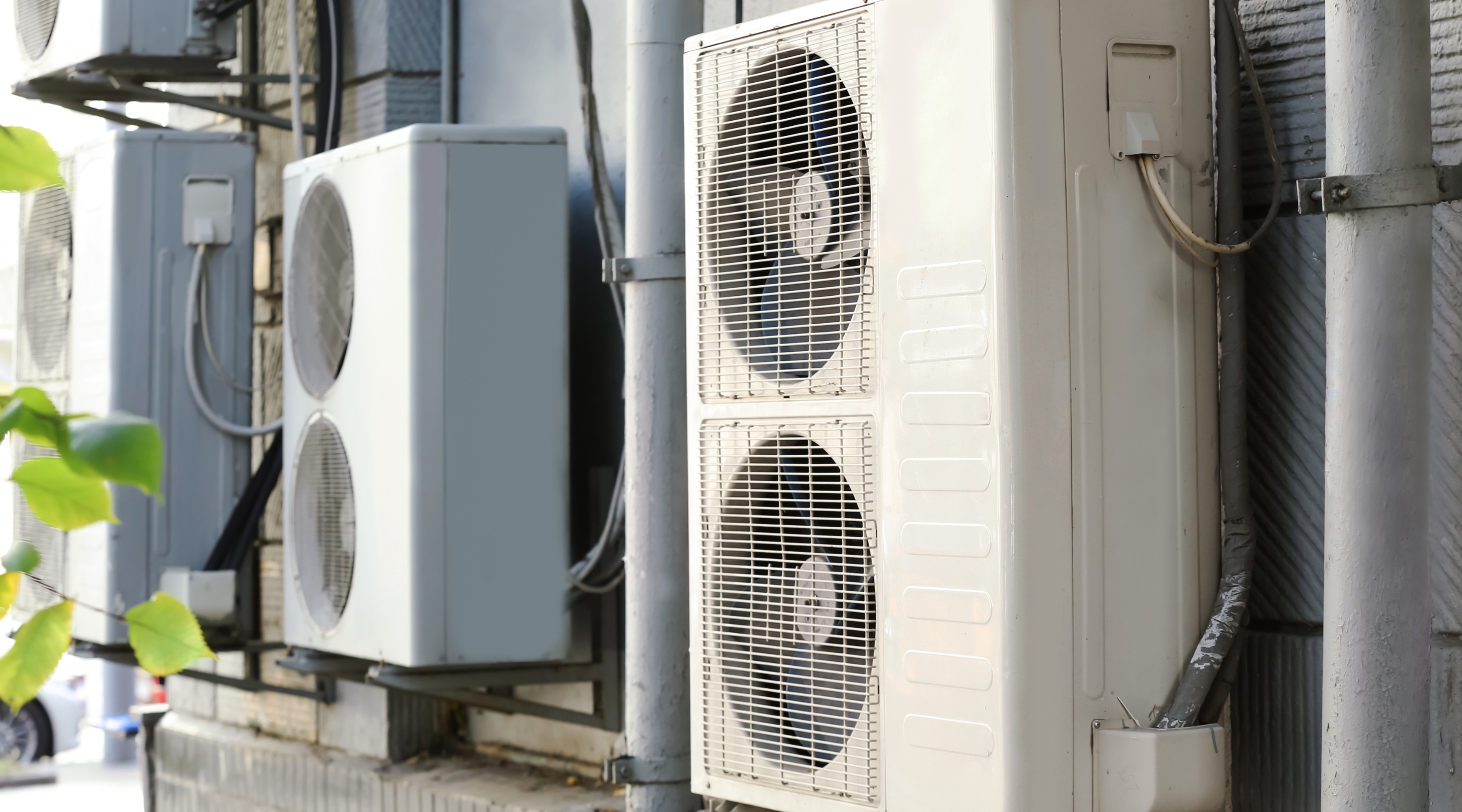
Singapore Aircon Outdoor Unit Cleaning: Condenser Maintenance

The outdoor condenser unit represents the hardworking heart of your air conditioning system, constantly exposed to Singapore’s challenging environmental conditions including tropical weather, urban pollution, and seasonal debris accumulation. Proper singapore aircon cleaning of outdoor components requires specialized knowledge and techniques that address the unique challenges these units face while ensuring optimal heat rejection performance that directly impacts system efficiency and longevity.
Understanding the critical importance of condenser maintenance in Singapore’s demanding climate helps property owners appreciate why professional outdoor unit cleaning represents such a valuable investment in system performance and reliability. Singapore aircon cleaning specialists recognize that outdoor units face significantly greater contamination challenges than indoor components, requiring specialized approaches that address both immediate cleaning needs and long-term protection strategies.
Understanding Outdoor Unit Design and Function
The condenser unit houses critical components including the condenser coil, compressor, condenser fan, and control systems that work together to reject heat from the refrigeration cycle. The condenser coil consists of copper tubing with aluminum fins that facilitate heat transfer between the hot refrigerant and outdoor air, making efficient heat rejection essential for optimal system performance.
The outdoor location exposes these components to environmental conditions that indoor units never experience, including direct sunlight, rainfall, temperature extremes, and airborne contaminants that accelerate wear and reduce performance. This exposure makes regular maintenance critical for preserving component function and preventing premature failure.
Heat rejection efficiency depends entirely on clean coil surfaces and unobstructed airflow through the condenser unit, with even modest contamination levels significantly reducing system capacity while increasing energy consumption. The outdoor unit must reject all the heat removed from indoor spaces plus the heat generated by the compression process, making optimal performance essential for system efficiency.
Airflow patterns around outdoor units create specific contamination accumulation patterns, with areas of reduced air velocity becoming collection points for debris, dust, and biological growth. Understanding these patterns helps professional technicians develop targeted cleaning approaches that address the most problematic contamination areas effectively.
Environmental Challenges in Singapore
Singapore’s tropical climate creates year-round challenges for outdoor unit maintenance, with high humidity levels promoting biological growth while frequent rainfall can introduce organic debris and chemical pollutants that accelerate contamination buildup. The combination of moisture and organic matter creates ideal conditions for mold and algae growth on coil surfaces.
Urban air pollution from vehicle emissions, industrial activities, and construction dust creates particularly challenging contamination conditions that exceed those found in rural environments. These airborne pollutants include oily residues, chemical compounds, and fine particles that adhere strongly to coil surfaces and resist removal through natural rainfall.
Seasonal weather patterns including monsoon periods and dry spells create varying contamination challenges throughout the year, with heavy rainfall introducing organic debris while dry periods allow dust accumulation and chemical concentration. Professional maintenance must address these seasonal variations through appropriate timing and techniques.
Coastal influences in Singapore introduce salt-laden air that can accelerate corrosion and create unique cleaning challenges for condenser coils and other metal components. Salt deposits require specialized cleaning approaches that remove corrosive residues while protecting component surfaces from damage.
Contamination Types and Their Impact on Performance
Dust and particulate accumulation represents the most common contamination challenge, with fine particles penetrating deep into coil fin spaces and creating insulating layers that impede heat transfer. Even thin layers of dust can reduce heat transfer efficiency by significant percentages, directly impacting system performance and energy consumption.
Biological growth including algae, mold, and bacterial colonies thrives in the moist conditions around condenser coils, creating organic deposits that not only impede heat transfer but also produce odors and potentially harmful emissions. These biological contaminants can quickly spread throughout coil surfaces and become difficult to remove without professional intervention.
Chemical contamination from air pollution, cleaning products, and industrial emissions creates deposits that bond strongly to coil surfaces and may require specialized cleaning agents for effective removal. These chemical residues can also accelerate corrosion and component degradation if not addressed through proper maintenance procedures.
Debris accumulation including leaves, dirt, grass clippings, and other organic matter can block airflow passages and create environments favorable for biological growth. Large debris items can also damage fan blades and other moving components while reducing system airflow capacity.
Professional Outdoor Unit Cleaning Process
Comprehensive outdoor unit cleaning begins with complete system shutdown and electrical isolation to ensure technician safety during cleaning procedures. Professional technicians follow established safety protocols that address electrical hazards, refrigerant system integrity, and component protection requirements.
Initial assessment includes visual inspection of all outdoor unit components to identify specific contamination types, damage, and cleaning requirements. Professional services use systematic assessment procedures that ensure all cleaning needs are identified and addressed through appropriate techniques and materials.
Coil cleaning represents the most critical aspect of outdoor unit maintenance, requiring specialized equipment and techniques that effectively remove contamination while protecting delicate coil fins from damage. Professional services use appropriate water pressure, cleaning agents, and application methods that optimize cleaning results without causing component damage.
Component protection during cleaning procedures ensures that sensitive electrical systems, control panels, and mechanical components remain protected from water intrusion and cleaning chemicals. Professional technicians use appropriate covering and isolation techniques that enable thorough cleaning while maintaining component integrity.
Specialized Cleaning Techniques and Equipment
High-pressure washing systems provide the cleaning power necessary to remove stubborn contamination from condenser coils while allowing pressure control that prevents fin damage. Professional equipment incorporates pressure regulation and specialized nozzles that optimize cleaning effectiveness while protecting component surfaces.
Chemical cleaning agents specifically formulated for condenser applications effectively remove biological growth, chemical deposits, and bonded contaminants that cannot be eliminated through pressure washing alone. Professional services select appropriate cleaning chemicals based on contamination types and component materials while ensuring environmental compliance.
Coil straightening tools enable restoration of damaged fins that reduce airflow capacity and heat transfer efficiency. Professional technicians use precision straightening techniques that restore optimal fin geometry without causing additional damage or stress concentration.
Protective treatments including corrosion inhibitors and anti-microbial coatings can be applied after cleaning to provide extended protection against future contamination and component degradation. Professional services recommend appropriate treatments based on environmental conditions and contamination challenges.
System Performance Impact of Clean Condenser Units
Heat transfer efficiency improvements from clean condenser coils typically result in energy consumption reductions of fifteen to thirty percent compared to contaminated systems. This improved efficiency provides rapid payback on cleaning service investments through reduced electricity costs and improved system performance.
Compressor protection through optimal condenser performance prevents overheating and reduces mechanical stress that can lead to premature failure. Clean condenser coils enable proper heat rejection that maintains optimal compressor operating conditions while extending component life.
System capacity restoration through condenser cleaning ensures that the aircon system can achieve its designed cooling capacity without excessive operating time or energy consumption. Contaminated condensers force systems to operate longer to achieve desired comfort levels, increasing wear and operating costs.
Temperature control improvements from efficient heat rejection enable more precise indoor temperature control while reducing system cycling frequency. This improved performance enhances comfort while reducing mechanical stress on system components.
Maintenance Scheduling and Frequency Requirements
Cleaning frequency for outdoor units in Singapore typically ranges from quarterly to semi-annual intervals, depending on environmental conditions, contamination sources, and system usage patterns. Properties near construction sites, busy roads, or industrial areas may require more frequent attention due to accelerated contamination buildup.
Seasonal timing considerations favor scheduling outdoor unit cleaning before peak cooling seasons to ensure optimal performance when system demands are highest. Pre-season maintenance prevents performance degradation during periods of maximum usage while identifying potential issues before they cause system failures.
Visual inspection schedules between professional cleanings enable early detection of contamination buildup and optimal timing for cleaning services. Property owners can monitor coil condition and airflow restrictions to determine when professional cleaning becomes necessary.
Integration with comprehensive system maintenance schedules coordinates outdoor unit cleaning with indoor component services to maximize efficiency and minimize service disruptions. Professional services can develop integrated maintenance programs that address entire system needs through coordinated service delivery.
Safety Considerations and Professional Expertise
Electrical safety represents a critical concern during outdoor unit cleaning, with water and electricity creating potentially dangerous conditions that require professional expertise and appropriate safety equipment. Professional technicians receive extensive safety training and use proper isolation procedures that eliminate electrical hazards.
Refrigerant system integrity must be protected during cleaning procedures to prevent costly refrigerant loss and environmental contamination. Professional services understand system design and use appropriate techniques that enable thorough cleaning while maintaining refrigerant system integrity.
Chemical safety considerations include proper handling, application, and disposal of cleaning agents while protecting technicians and building occupants from exposure hazards. Professional services use appropriate personal protective equipment and follow established chemical safety protocols.
Working at height requirements for many outdoor units demand appropriate safety equipment and training that professional technicians possess. Proper ladder safety, fall protection, and equipment handling ensure safe service delivery while maintaining cleaning effectiveness.
Component Inspection and Preventive Maintenance
Fan motor inspection and maintenance during outdoor unit cleaning enables detection of bearing wear, electrical issues, and other problems that could cause system failures. Professional technicians can identify developing issues and recommend corrective actions before major repairs become necessary.
Electrical connection assessment during cleaning procedures helps identify loose connections, corrosion, and other electrical issues that can affect system reliability and safety. Professional services include electrical inspection as part of comprehensive outdoor unit maintenance.
Refrigerant line inspection enables detection of leaks, insulation damage, and other issues that affect system performance and efficiency. Professional technicians can identify these problems during cleaning procedures and recommend appropriate repairs or improvements.
Control system testing verifies proper operation of temperature controls, safety switches, and other components that affect system performance and safety. Professional services include functional testing that ensures all systems operate correctly after cleaning completion.
Environmental Considerations and Compliance
Water usage during outdoor unit cleaning should be managed to minimize waste while ensuring effective contamination removal. Professional services use efficient cleaning techniques and may incorporate water recovery systems that reduce environmental impact while maintaining cleaning effectiveness.
Chemical disposal requirements mandate proper handling and disposal of contaminated cleaning solutions according to environmental regulations. Professional services ensure compliance with all applicable regulations while using environmentally responsible cleaning practices.
Noise control during cleaning procedures considers neighboring properties and local regulations that may restrict cleaning activities during certain hours. Professional services schedule cleaning activities appropriately while using equipment that minimizes noise disruption.
Landscaping protection around outdoor units prevents damage to plants and hardscaping during cleaning procedures. Professional services use appropriate techniques and protective measures that enable thorough cleaning while preserving surrounding landscape features.
365 Aircon’s Outdoor Unit Cleaning Expertise
365 Aircon provides comprehensive outdoor unit cleaning services that address Singapore’s unique environmental challenges while delivering superior performance improvement and component protection. Their certified technicians use advanced equipment and proven techniques that ensure thorough cleaning while maintaining system integrity and safety.
The company’s systematic approach to outdoor unit maintenance includes thorough assessment, appropriate cleaning technique selection, and comprehensive testing that ensures optimal results and long-term system protection. Their professional expertise enables identification and resolution of issues that property owners might overlook.
Quality assurance procedures include performance verification and documentation that confirms cleaning effectiveness and system optimization. The company’s commitment to excellence ensures that outdoor unit cleaning delivers maximum value through improved efficiency, extended component life, and enhanced system reliability.
Technology Advances and Future Developments
Remote monitoring systems enable continuous assessment of outdoor unit performance and contamination levels, supporting predictive maintenance approaches that optimize cleaning timing and effectiveness. These advances may revolutionize outdoor unit maintenance through data-driven decision making.
Advanced cleaning technologies including robotic systems and specialized chemical formulations continue to improve cleaning effectiveness while reducing environmental impact and service time requirements. Professional services incorporate these advances to provide superior value and results.
Protective coating technologies offer enhanced protection against contamination and corrosion, potentially extending cleaning intervals while improving long-term system performance. These developments may significantly improve the value proposition for outdoor unit maintenance investments.
Conclusion
Singapore aircon outdoor unit cleaning represents a critical investment in system performance, efficiency, and longevity that addresses the unique challenges of tropical climate conditions and urban environmental exposure. Professional cleaning services provide the expertise, equipment, and techniques necessary to maintain optimal condenser performance while protecting valuable system components from premature wear and failure.
Understanding the importance of outdoor unit maintenance and the professional services required to achieve optimal results enables property owners to make informed decisions about system care priorities. The comprehensive benefits of professional outdoor unit cleaning extend beyond immediate performance improvement to include energy savings, component protection, and enhanced system reliability that justify the service investment.
Professional outdoor unit cleaning services deliver superior value through improved system efficiency, extended component life, and reduced repair requirements that provide tangible returns on maintenance investments. The expertise and specialized equipment that professional services provide ensure optimal results while maintaining system safety and environmental compliance.
Frequently Asked Questions
Q: How often should outdoor condenser units be professionally cleaned in Singapore?
A: Most outdoor units benefit from professional cleaning every 3-6 months due to Singapore’s challenging environmental conditions. Properties near construction sites, busy roads, or industrial areas may require more frequent cleaning to maintain optimal performance.
Q: Can I clean my outdoor unit myself or should I hire professionals?
A: While basic debris removal can be performed by property owners, thorough coil cleaning requires professional equipment, expertise, and safety knowledge. Professional cleaning ensures effective contamination removal while protecting system components and maintaining safety.
Q: What are the signs that my outdoor unit needs professional cleaning?
A: Indicators include reduced cooling capacity, higher energy bills, ice formation on coils, unusual noises, visible contamination buildup, and poor airflow from the unit. Professional assessment can determine cleaning needs and optimal service timing.
Q: How much energy can I save with regular outdoor unit cleaning?
A: Clean outdoor units typically achieve 15-30% energy savings compared to contaminated systems, with improved heat transfer reducing compressor workload and system operating time. These efficiency improvements often provide rapid payback on cleaning service investments.
Ready to optimize your outdoor unit performance through professional cleaning? Contact 365 Aircon for comprehensive condenser maintenance services that deliver superior efficiency and system protection in Singapore’s challenging climate.