
Future of Aircon Technology Singapore: Trends and Innovations

The air conditioning industry in Singapore stands at the threshold of revolutionary technological advancement, with emerging innovations promising to transform how we approach cooling, energy efficiency, and environmental responsibility in tropical climates. From artificial intelligence integration to sustainable refrigerants and advanced materials, the future of aircon technology will reshape both residential and commercial cooling while addressing Singapore’s unique challenges of high humidity, constant usage demands, and environmental sustainability goals. Understanding these technological trends enables property owners and industry professionals to prepare for the next generation of cooling solutions while making informed decisions about current investments and future planning.
Artificial Intelligence and Machine Learning Integration
AI-powered air conditioning systems represent the most significant technological advancement in HVAC history, utilizing machine learning algorithms to optimize performance, predict maintenance needs, and adapt to user preferences automatically. These intelligent systems continuously analyze operational data, environmental conditions, and usage patterns to provide unprecedented efficiency and comfort customization.
Predictive maintenance capabilities enable AI systems to forecast component failures and maintenance requirements weeks or months in advance, allowing professional singapore aircon servicing providers to schedule maintenance proactively rather than reactively. This technological advancement promises to eliminate unexpected system failures while optimizing maintenance scheduling and reducing overall service costs.
Adaptive comfort control learns from occupant behavior and preferences while automatically adjusting temperature, humidity, and airflow settings to maintain optimal comfort with minimal energy consumption. Future AI systems will understand individual preferences within multi-occupant spaces while balancing comfort requirements with energy efficiency optimization.
Internet of Things (IoT) Connectivity
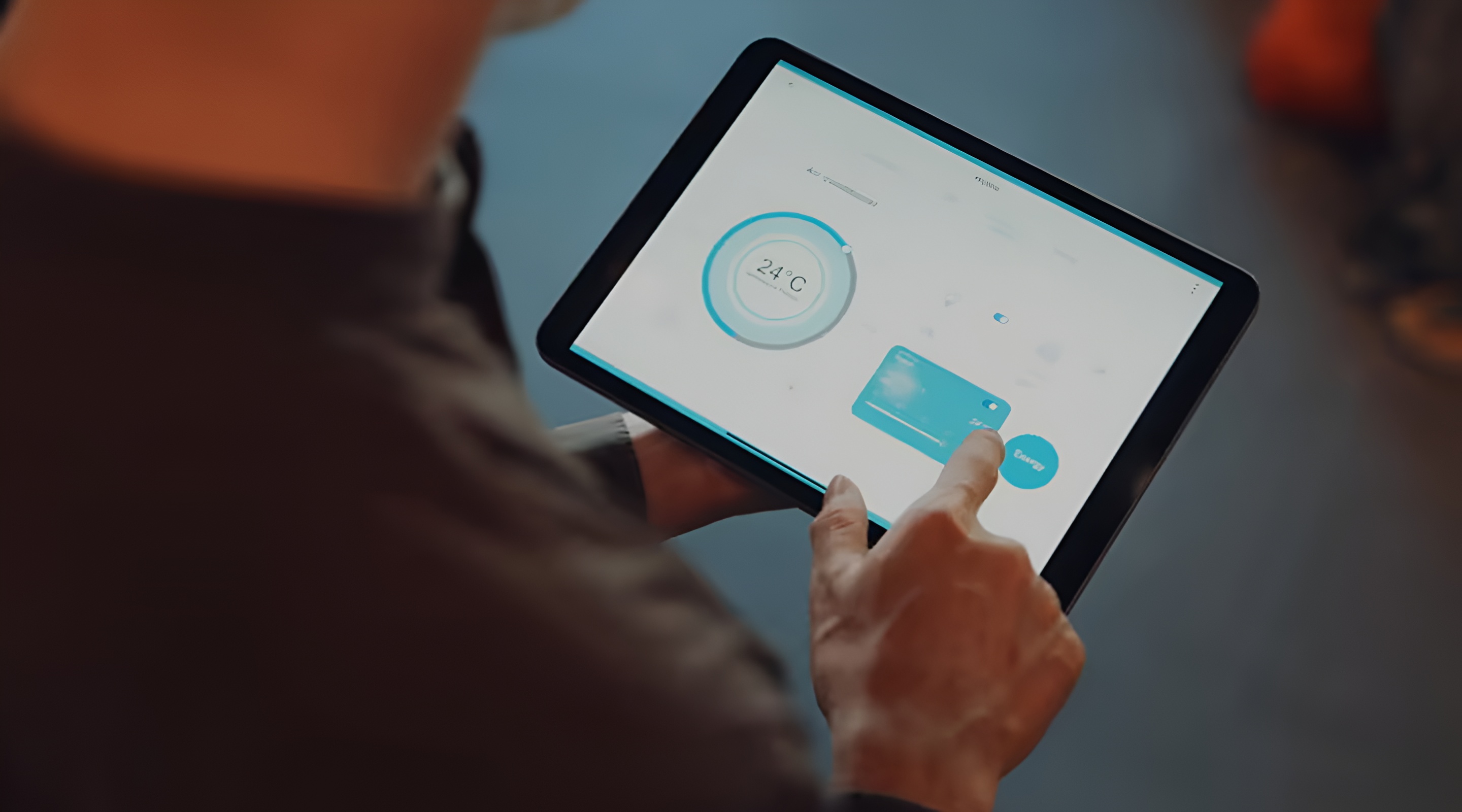
Smart connectivity transforms air conditioning systems into integral components of comprehensive building management networks that enable remote monitoring, control, and optimization through cloud-based platforms and mobile applications. IoT integration provides unprecedented visibility into system performance while enabling proactive management and optimization.
Remote diagnostics capabilities allow professional technicians to assess system performance, identify problems, and provide recommendations without on-site visits, reducing service costs while improving response times. Advanced IoT systems will enable virtual service delivery while maintaining high-quality maintenance and support services.
Integration with smart home ecosystems enables coordination between air conditioning systems and other building systems including lighting, security, and energy management while optimizing overall building performance and occupant comfort. Future integration will create seamlessly coordinated building environments that adapt automatically to changing conditions and requirements.
Advanced Refrigerant Technology
Next-generation refrigerants address environmental concerns while providing superior performance characteristics compared to current refrigerants, with ongoing development focused on zero global warming potential (GWP) solutions that maintain cooling effectiveness in tropical climates.
Natural refrigerant adoption including CO2, ammonia, and hydrocarbons offers environmentally sustainable alternatives while providing excellent thermodynamic properties for tropical cooling applications. Singapore’s commitment to environmental protection drives adoption of natural refrigerants in appropriate applications while maintaining safety and performance standards.
Magnetic refrigeration technology represents a revolutionary cooling approach that eliminates traditional refrigerants entirely while utilizing magnetic fields and specialized materials to achieve cooling effects. This emerging technology promises exceptional efficiency while eliminating environmental concerns associated with chemical refrigerants.
Energy Storage and Management Systems
Battery integration enables air conditioning systems to store energy during low-cost periods while operating during peak-rate times, providing significant cost savings while reducing grid demand during peak usage periods. Advanced energy storage will transform how air conditioning systems consume and manage electricity.
Thermal energy storage systems capture cooling capacity during off-peak hours while releasing it during high-demand periods, enabling cost optimization while reducing peak electrical demand. These systems will become increasingly important as utility rate structures evolve to encourage load shifting and demand management.
Renewable energy integration enables air conditioning systems to utilize solar, wind, and other renewable sources while reducing dependence on grid electricity. Future systems will seamlessly integrate renewable energy while optimizing consumption patterns based on renewable availability and cost considerations.
Advanced Materials and Component Design
Nanotechnology applications in heat exchanger design promise significant improvements in thermal transfer efficiency while reducing size requirements and material usage. Advanced nanomaterials will enable more compact and efficient heat exchangers while improving overall system performance and reliability.
Self-healing materials under development will automatically repair minor damage and wear while extending component lifespan and reducing maintenance requirements. These advanced materials promise to revolutionize system reliability while reducing long-term maintenance costs and service requirements.
Shape-memory alloys and smart materials will enable adaptive components that respond to temperature and pressure changes while optimizing performance automatically. Future systems will incorporate materials that adapt to operating conditions while maintaining optimal performance characteristics.
Sustainability and Environmental Innovation
Carbon-neutral cooling technologies focus on eliminating environmental impact while maintaining cooling effectiveness through renewable energy integration, advanced efficiency, and sustainable refrigerants. Singapore’s sustainability goals drive development of environmentally neutral cooling solutions.
Waste heat recovery systems capture and utilize waste heat from cooling operations while providing heating, hot water, or other useful energy applications. Advanced waste heat recovery will improve overall system efficiency while reducing total building energy consumption.
Life-cycle optimization addresses environmental impact throughout system manufacturing, operation, and disposal while minimizing total environmental footprint through sustainable design and materials. Future systems will incorporate comprehensive sustainability considerations while maintaining performance and cost-effectiveness.
Smart Building Integration
Building automation evolution will integrate air conditioning systems with comprehensive building management platforms that coordinate all building systems while optimizing overall performance, efficiency, and occupant comfort. Advanced integration will create intelligent building environments that adapt automatically to changing conditions.
Occupancy sensing and space optimization will automatically adjust cooling delivery based on real-time occupancy patterns while eliminating energy waste in unoccupied areas. Future systems will utilize advanced sensing technologies while providing precise cooling delivery based on actual space usage.
Energy optimization algorithms will coordinate air conditioning operation with other building systems while minimizing total energy consumption through intelligent load management and system coordination. Advanced algorithms will balance comfort, efficiency, and cost considerations while maintaining optimal building performance.
Personalized Comfort Technology
Individual climate control will enable personalized comfort delivery within shared spaces through advanced zoning, wearable device integration, and micro-climate creation technologies. Future systems will provide customized comfort while maintaining overall system efficiency and performance.
Biometric integration will monitor occupant physiological responses while automatically adjusting environmental conditions to maintain optimal comfort and health. Advanced biometric systems will understand individual comfort requirements while adapting environmental conditions accordingly.
Health monitoring capabilities will assess indoor air quality, allergen levels, and other health-related factors while automatically adjusting system operation to support occupant health and wellbeing. Future systems will prioritize health benefits while maintaining comfort and efficiency.
Maintenance Technology Evolution
Augmented reality service tools will provide technicians with visual diagnostic information, repair guidance, and system information while improving service efficiency and accuracy. AR technology will revolutionize maintenance delivery while enhancing technician capabilities and service quality.
Robotic maintenance systems will perform routine cleaning and inspection tasks while reducing labor requirements and improving maintenance consistency. Advanced robotics will handle hazardous or difficult maintenance tasks while ensuring comprehensive system care and safety.
Blockchain technology will provide secure, tamper-proof maintenance records while supporting warranty compliance and service verification. Blockchain applications will enhance record keeping while providing transparent service documentation and verification capabilities.
Singapore-Specific Innovations
Tropical climate optimization will focus on humidity control, corrosion resistance, and continuous operation reliability while addressing Singapore’s unique environmental challenges. Local innovations will optimize cooling technology for tropical conditions while maintaining efficiency and reliability.
Urban heat island mitigation technologies will address Singapore’s dense urban environment while reducing overall cooling loads through innovative building design and cooling strategies. Advanced technologies will address urban environmental challenges while improving cooling efficiency.
Water management integration will coordinate air conditioning condensate with building water systems while supporting Singapore’s water sustainability goals. Future systems will integrate water management while contributing to overall building sustainability and resource conservation.
Economic and Market Implications
Cost reduction trends through technological advancement will make advanced cooling technologies more accessible while improving performance and reducing operational costs. Technology advancement will democratize advanced cooling capabilities while improving affordability and accessibility.
Service industry evolution will transform maintenance delivery through technology integration while creating new service models and customer relationships. Professional singapore aircon servicing will evolve to incorporate new technologies while improving service effectiveness and customer satisfaction.
Investment opportunities in cooling technology will create new markets while supporting innovation and technological development. Singapore’s position as a technology hub will support cooling innovation while creating economic opportunities and technological leadership.
Implementation Challenges
Infrastructure requirements for advanced cooling technologies may necessitate building modifications and utility upgrades while supporting technology adoption and optimization. Implementation planning will address infrastructure needs while ensuring successful technology deployment.
Regulatory adaptation will be necessary to accommodate new technologies while ensuring safety and environmental protection through appropriate standards and oversight. Regulatory frameworks will evolve to support innovation while maintaining public safety and environmental protection.
Skills development in the professional service industry will be essential to support advanced technologies while ensuring appropriate maintenance and service capabilities. Training and education programs will prepare professionals for technology evolution while maintaining service quality and safety.
Preparing for the Future
Strategic planning for property owners will involve considering future technology trends while making current investment decisions that support future upgrades and compatibility. Forward-thinking planning will optimize technology adoption while managing investment timing and costs.
Professional service preparation will require ongoing education and equipment investment while ensuring capability to support evolving technologies and customer needs. Service providers will need to invest in technology and training while maintaining competitive advantage and service quality.
Consumer education will be essential to support technology adoption while helping users understand benefits and capabilities of advanced cooling technologies. Education programs will facilitate technology acceptance while maximizing benefit realization and customer satisfaction.
Frequently Asked Questions
How will AI-powered aircon systems affect maintenance requirements?
AI systems will enable predictive maintenance that identifies problems before failures occur while optimizing service scheduling and reducing emergency repairs. Professional singapore aircon servicing will evolve to support AI-enabled systems while providing enhanced diagnostic capabilities and proactive maintenance.
When will new refrigerant technologies become mainstream in Singapore?
Natural and low-GWP refrigerants are already being introduced with widespread adoption expected within 5-10 years as regulations evolve and technology matures. Singapore’s environmental commitments will accelerate adoption while ensuring appropriate safety and performance standards.
Will future aircon systems be more expensive to purchase and maintain?
Initial costs may be higher due to advanced technology, but operational savings through efficiency improvements and predictive maintenance will likely reduce total ownership costs. Long-term value will improve through technology advancement while maintenance costs may decrease through better reliability and predictive capabilities.
How can property owners prepare for future aircon technology?
Consider current investments that support future upgrades including electrical capacity, network connectivity, and system compatibility while planning for technology evolution. Strategic preparation includes infrastructure considerations while maintaining flexibility for future technology adoption and integration.